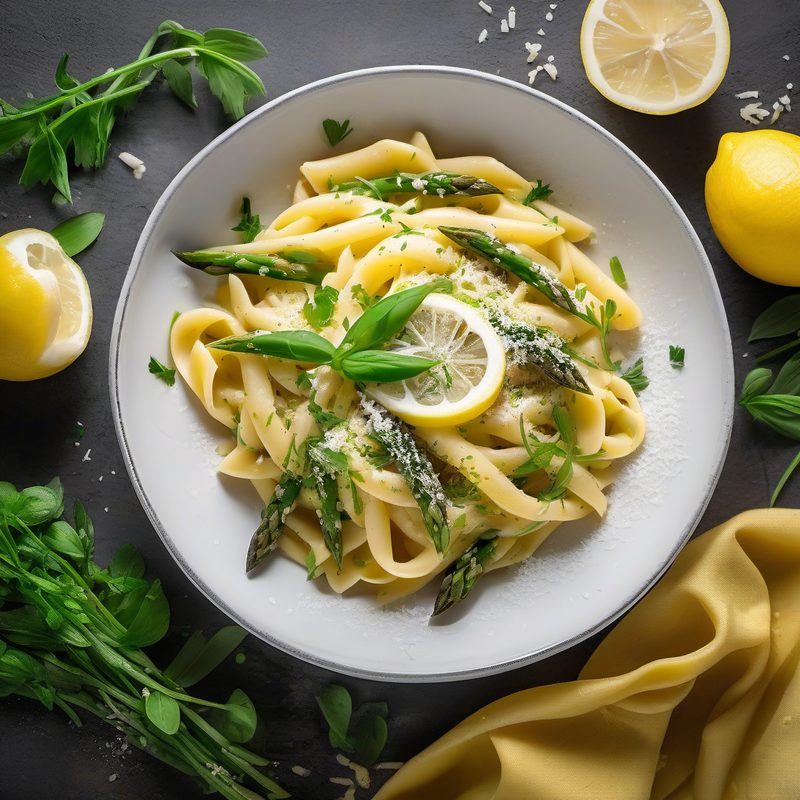
Beet Gnocchetti Taleggio
Tender, jewel-toned beet gnocchetti — pillowy little dumplings with a natural sweetness — lounging in a pool of velvety Taleggio fondue. Rich, earthy, and impossibly creamy, this is Northern Italian comfort food that feels like a warm cashmere blanket on a cold night.
| Amount | Ingredient |
|---|---|
| to taste | Freshly cracked black pepper |
| as needed | Extra-virgin olive oil or melted butter (optional, for drizzle) |
| as needed | Extra grated Parmigiano-Reggiano (optional) |
Gnocchi made with potatoes are the standard, but beet gnocchetti — made with ricotta instead of potatoes — are a revelation. The beets lend a gorgeous magenta hue, an earthy sweetness, and enough moisture that you can skip the starchy potatoes entirely, relying on ricotta for tenderness and flour for structure. The result is lighter than potato gnocchi, with a silky-soft interior and a subtle sweetness that plays beautifully against the funky, creamy richness of melted Taleggio cheese. Sage leaves — crisped in butter or simply scattered fresh — cut through the richness with their aromatic, slightly peppery edge. It's a short ingredient list that delivers an outsized payoff, and it comes together faster than you'd think, especially if you roast the beets ahead.
> Note: The beets can be boiled, roasted, or even steamed — any method works as long as they're fork-tender. For deepest flavor, roast them wrapped in foil at 400°F (200°C) for 45–60 minutes. Do this a day ahead and the gnocchetti come together in minutes.
For the Beet Gnocchetti
For the Taleggio Fondue
For Serving
Use level tablespoons and standard US measuring cups. All produce is medium unless specified.
🥘 Equipment
- Large pot (4-qt or larger) for boiling beets
- Food processor or box grater (for pureeing beets)
- Large bowl
- Fine-mesh strainer or cheesecloth (for draining ricotta if watery)
- Flexible spatula
- Large pot (6-qt) for cooking gnocchetti
- Slotted spoon or spider skimmer
- Medium saucepan (for fondue)
- Wooden spoon or heatproof spatula
- Rimmed baking sheet, lightly dusted with flour
- Clean kitchen towel
📋 Preparation
Step 1 — Cook and Puree the Beets (30 min active if boiling, or passive if roasting ahead)
If using pre-cooked beets: Skip to Step 2.
Trim the leafy tops and root tails from the beets, leaving about ½ inch of stem attached (this prevents the beets from bleeding too much color). Scrub well under cold water.
To boil: Place the beets in a large pot and cover with cold water by 2 inches. Bring to a boil over high heat, then reduce to a simmer. Cook until a paring knife slides into the center with no resistance — about 30–40 minutes depending on size.
To roast (preferred for deeper flavor): Preheat the oven to 400°F (200°C). Wrap each beet individually in aluminum foil. Place on a baking sheet and roast until fork-tender — about 45–60 minutes. Let cool in the foil for 10 minutes.
Once the beets are cool enough to handle but still warm, slip off the skins using your fingers or a paper towel (the skins should slide right off). Trim off the root and stem ends.
Cut the peeled beets into rough chunks and transfer to a food processor. Pulse until you have a smooth, vibrant puree — about 30 seconds, scraping down the sides once. No food processor? Use a box grater (fine side) and then mash with a fork until smooth. You should have about 1 cup (240 g) of puree.
Why not roast instead of boil? Roasting concentrates the beets' natural sugars, giving you a deeper, sweeter flavor without the waterlogged texture that boiling can cause. It's not strictly necessary — boiling works perfectly well — but roasted beets make noticeably better gnocchetti.
Step 2 — Make the Gnocchetti Dough (15 min)
In a large bowl, combine the ricotta and beet puree. Stir until uniform — the mixture should be a vivid magenta. (If your ricotta seems watery, drain it in a fine-mesh strainer lined with cheesecloth for 15 minutes first — excess moisture makes the dough sticky and hard to shape.)
Add the egg, Parmigiano-Reggiano, salt, and a generous grind of black pepper. Stir until well combined.
Add the flour all at once. Mix with a flexible spatula or your hands until a soft, slightly sticky dough forms. It should hold together without being overly tacky — if it's too wet to handle, add flour 1 tablespoon at a time. If it feels dry and crumbly, add a teaspoon of milk or water.
Turn the dough out onto a well-floured work surface. Gently knead 8–10 times — just until smooth. Do not overwork the dough or the gnocchetti will be tough. The dough should feel soft, tender, and just barely tacky to the touch.
Why ricotta instead of potatoes? Traditional potato gnocchi can turn gluey if overworked. Ricotta-based gnocchetti are more forgiving — the ricotta provides tenderness and moisture without the starchiness that makes potato dough tricky. The beets add color and sweetness, but the ricotta is what keeps these pillows light.
Step 3 — Shape the Gnocchetti (15 min)
Lightly dust a rimmed baking sheet with flour.
Divide the dough into 4 equal portions. Working with one portion at a time (keep the rest covered with a clean kitchen towel to prevent drying), roll the dough into a ¾-inch-thick rope on a lightly floured surface.
Cut the rope into ¾-inch pieces — each about the size of your thumb. You can leave them as little pillows, or give them ridges: roll each piece down the tines of a fork or across a gnocchi board, pressing gently with your thumb to create a slight indentation. The ridges help the fondue cling to every surface.
Transfer the shaped gnocchetti to the floured baking sheet in a single layer, not touching. Repeat with the remaining dough. You should have about 40–50 gnocchetti total.
Make-ahead tip: Once shaped, freeze the gnocchetti on the baking sheet for 1 hour, then transfer to a zip-top freezer bag. Cook directly from frozen — just add 1 extra minute to the boiling time.
Step 4 — Make the Taleggio Fondue (10 min)
While the gnocchetti rest, make the fondue. Cut the Taleggio into small cubes (about ½ inch), discarding any white rind. The rind is edible but won't melt smoothly, so removing it gives a silkier result.
In a medium saucepan, combine the milk and butter over medium-low heat. Stir occasionally until the butter is melted and the milk is warm — about 2 minutes.
Add the Taleggio cubes and stir constantly with a wooden spoon or heatproof spatula. The cheese will soften, then melt into the milk-butter mixture. Continue stirring until the fondue is completely smooth and velvety — about 4–5 minutes. Do not let it boil; bubbles should be rare and gentle.
Add 8–10 fresh sage leaves and stir for 30 seconds until the sage wilts and releases its aroma. Remove from heat. Taste — Taleggio is already salty, but add a crack of black pepper if desired.
Keep the fondue warm over the lowest possible heat, stirring occasionally, while you cook the gnocchetti. If it thickens too much, thin with a tablespoon of warm milk.
Why Taleggio? This washed-rind cheese from the Val Taleggio region of Lombardy has a famously funky aroma but a surprisingly mild, milky, and buttery flavor when melted. Its high fat content (around 48%) makes it one of the creamiest melting cheeses in the Italian repertoire — no starch or emulsifiers needed, just gentle heat and a little milk.
Step 5 — Cook the Gnocchetti (3 min)
Bring a large pot of generously salted water to a rolling boil (1 tablespoon salt per 4 quarts of water).
Drop about half the gnocchetti into the boiling water — don't crowd the pot; cook in two batches if needed. Stir gently once with a slotted spoon to prevent sticking.
The gnocchetti are done when they float to the surface — this takes 2–3 minutes. Once they bob up, let them cook for another 15–20 seconds to ensure the centers are tender.
Scoop them out with a slotted spoon or spider skimmer. Let the water drain off for a moment, then transfer directly to the warm Taleggio fondue (or to individual serving bowls). Repeat with the remaining gnocchetti.
For the best texture, transfer the gnocchetti directly from the water into the fondue — no shocking, no rinsing, no oiling. A little starchy cooking water clinging to the gnocchetti actually helps the fondue adhere better.
Step 6 — Serve (2 min)
Divide the gnocchetti and fondue among 4 warm bowls. Garnish each bowl with fresh sage leaves (torn if large) and a generous crack of black pepper. For a finishing touch, drizzle a few drops of extra-virgin olive oil or brown butter over the top and add a final dusting of Parmigiano-Reggiano.
Serve immediately — the fondue sets as it cools, so this dish waits for no one. A simple arugula salad with lemon vinaigrette on the side cuts through the richness beautifully.
🧑🍳 Chef's Tips
- Wear gloves when handling beets: Raw beet juice stains skin (and cutting boards, and countertops, and clothing) something fierce. Disposable kitchen gloves are your friend. If your hands do get stained, rub them with lemon juice or a paste of baking soda and water.
- Don't skip draining the ricotta: Watery ricotta makes the dough slack and sticky, forcing you to add too much flour, which makes the gnocchetti dense. If your ricotta looks wet at all, drain it for 15 minutes in a cheesecloth-lined strainer.
- Taste the dough before shaping: Microwaving a tiny test piece (15 seconds) or poaching one gnocchetto gives you a preview. Adjust salt or flour before committing to the whole batch.
- Gnocchetti ≠ gnocchi: These are smaller and lighter than traditional potato gnocchi, so they cook faster and have a more delicate texture. Handle them gently — they're more fragile than their potato cousins.
- The fondue will thicken: Taleggio fondue thickens noticeably as it cools. If you're not serving immediately, keep it warm over a pan of barely simmering water (a makeshift bain-marie) or reheat gently with an extra splash of milk.
- Sage two ways: For extra depth, fry sage leaves in brown butter until crisp (about 15 seconds per side) and use those as garnish. The crispy leaves add a satisfying textural contrast to the soft gnocchetti and creamy fondue.
❌ Common Mistakes
| Mistake | Why | Fix |
|---|---|---|
| Dough too sticky from wet beets | Beets vary in water content; a watery batch makes unworkable dough | Drain the beet puree in a fine-mesh strainer for 10 minutes if it seems thin; add flour 1 tablespoon at a time as needed |
| Overworking the dough | Too much kneading develops gluten, making gnocchetti tough and rubbery | Knead only 8–10 strokes — just enough to bring the dough together; the goal is tender, not elastic |
| Overcooking the gnocchetti | They turn mushy and fall apart in the water | Cook only until they float + 15 seconds — about 2–3 minutes total; test one and adjust |
| Boiling the fondue | High heat breaks the emulsion — the fondue turns greasy and grainy | Keep the heat low and steady; the mixture should barely simmer, never boil |
| Skipping the rind removal | Taleggio rind doesn't melt, leaving stringy, chewy bits in an otherwise silky sauce | Take 2 minutes to trim the rind before cubing the cheese — it makes all the difference |
| Serving on cold plates | The fondue seizes up instantly, turning gluey before the first bite | Warm your serving bowls in a low oven (200°F) or with hot water (dry thoroughly) before plating |
🔗 Related Recipes
- Gnocchi di Patate alla Romana — Baked Potato Gnocchi with Butter & Sage
- Gnocchetti di Ricotta e Spinaci — Spinach-Ricotta Gnocchetti with Browned Butter
- Risotto alla Barbabietola — Creamy Beet Risotto with Goat Cheese
- Polenta al Taleggio — Creamy Polenta with Taleggio & Sage
- Pasta e Fagioli alla Toscana — Tuscan Bean & Pasta Soup
- Ravioli di Barbabietola e Ricotta — Beet & Ricotta Ravioli with Poppy Seed Butter
- Fonduta alla Valdostana — Fontina Fondue with Truffle
🏷️ Search Tags
Photo: vol1_152.png — Vibrant magenta beet gnocchetti nestled in a pool of pale golden Taleggio fondue, garnished with fresh sage leaves and a crack of black pepper, served in a warm white ceramic bowl with rustic bread on the side.
Recipe from "The Italian Kitchen" by Vita Milanese — Volume 1: Pasta Perfetto
Recipe from The Italian Kitchen by Vita Milanese — Volume 1 · Pasta Perfetto. Discover all volumes on the ebook page.