Tagliatelle Walnut Fig Pesto
A creamy, nutty pesto transformed by sweet pan-fried figs and tender baby spinach — this tagliatelle is proof that the brightest flavors come from the simplest Italian pantry, with untoasted walnuts, ripe figs, and a bread-and-milk trick that makes the sauce velvety without a drop of cream.
| Amount | Ingredient |
|---|---|
| 1 oz (30 g) | Stale white bread, crusts removed |
| ⅔ cup (150 ml) | Whole milk |
| 1 cup (130 g) | Walnut halves |
| 4 | Ripe figs, stemmed and halved lengthwise |
| 5 oz (150 g) | Baby spinach |
| 1 clove | Garlic, peeled |
| 4 sprigs | Fresh marjoram (or 1 tsp dried) |
| ½ tsp | Black pepper, freshly ground |
| ¾ tsp | Fine sea salt |
| 3½ tbsp (50 ml) | Extra-virgin olive oil, plus 1 tbsp for pan |
| 1 oz (30 g) | Parmesan, finely grated |
| 14 oz (400 g) | Tagliatelle (or other egg pasta) |
There is a whole world of pesto beyond basil, and this tagliatelle makes the case with a sauce that is both earthy and unexpectedly sweet. The base is a classic walnut pesto from Liguria — but with a clever twist: stale bread soaked in milk, blitzed with toasted walnuts, garlic, and fresh marjoram, creates a sauce that is creamier and more substantial than one made with nuts and oil alone. The figs, pan-fried until caramelized on both sides, add pockets of jammy sweetness that play against the peppery freshness of baby spinach. Tossed with al dente tagliatelle and a splash of starchy pasta water, the pesto transforms into a glossy, emulsified cloak that clings to every ribbon. It is a pasta that walks the line between rustic and elegant, ready in under 35 minutes, and the kind of dish that makes you wonder why you'd ever reach for cream when a slice of stale bread and a handful of walnuts exist.
Use level tablespoons and standard US measuring cups. All produce is medium unless specified. Look for figs that are heavy, soft to the touch, with no signs of weeping or mold. Fresh marjoram is worth seeking out — its sweet, floral-oregano character is distinctive; if unavailable, substitute 1 teaspoon dried marjoram or 1 teaspoon fresh oregano (use less — oregano is more pungent).
🥘 Equipment
- Large pot (6–8 qt) for pasta
- Large skillet or sauté pan (12-inch)
- Food processor or high-speed blender
- Small bowl (for soaking bread)
- Chef's knife and cutting board
- Colander
- Measuring cups and spoons
- Fine grater or Microplane (for Parmesan)
- Rubber spatula
- Tongs
📋 Preparation
Step 1 — Soak the Bread (15 minutes, can be done first)
Tear the stale bread into small pieces and place in a small bowl. Pour the milk over the bread, making sure all pieces are submerged. Let soak for 15 minutes while you prepare the remaining ingredients.
The bread-milk mixture is the secret to this pesto's velvety texture. It replaces the traditional pine nuts in part, adding body without the heavy richness of additional oil or cream. Stale bread works best because it absorbs milk evenly without turning to mush; fresh bread can become pasty. If your bread is fresh, toast it lightly in a 300°F (150°C) oven for 5 minutes before soaking.
Step 2 — Toast the Walnuts (3 minutes)
Place a dry skillet (use the same one you'll fry the figs in) over medium heat. Add the walnut halves and cook, shaking the pan frequently, until they are fragrant and lightly toasted, about 3 minutes. The walnuts should deepen in color by a shade and smell warm and nutty — watch carefully, as they burn quickly once they start to color.
Transfer the toasted walnuts to a plate or bowl and let cool completely, about 5 minutes.
Toasting walnuts awakens their oils and deepens their flavor, transforming them from raw and slightly astringent to warm, buttery, and aromatic. Don't skip this step — untoasted walnuts produce a flat, one-note pesto. Cool the walnuts completely before blending; warm walnuts can cause the pesto to separate.
Step 3 — Make the Walnut Pesto (5 minutes)
Add the cooled toasted walnuts to the bowl of a food processor along with the soaked bread and milk mixture (bread and all the milk), the garlic clove, and the leaves from 4 sprigs of marjoram (discard the stems). Process until the mixture forms a thick, relatively smooth paste, about 30 to 45 seconds, scraping down the sides of the bowl as needed.
Add the grated Parmesan, 3½ tablespoons (50 ml) of olive oil, and ¾ teaspoon of salt. Pulse several times until the pesto is creamy but still retains a little texture — you want to see tiny flecks of walnut, not a completely smooth puree.
Transfer the pesto to a bowl and set aside. Do not wash the food processor yet (you won't need it again).
The pesto should be thick enough to hold its shape on a spoon but loose enough to dollop easily. If it seems too thick, add a tablespoon of milk or water and pulse once more. If it seems too thin (unlikely with this ratio), add a handful of additional walnuts and pulse again. The texture will loosen further when tossed with hot pasta water.
Step 4 — Pan-Fry the Figs (5 minutes)
Wipe out the same skillet you used for the walnuts. Add 1 tablespoon of olive oil and place over medium-high heat. When the oil shimmers, carefully place the fig halves cut-side down in the pan. Cook without moving them until the cut sides are deep golden brown and caramelized, about 2 minutes.
Flip the figs with a spatula and cook on the rounded side until they are softened and heated through, about 2 minutes more. Season lightly with black pepper and a tiny pinch of salt. Transfer the figs to a plate and set aside.
Don't crowd the figs — if your pan is small or your figs are large, cook them in two batches. The caramelized cut side is where the magic happens: the natural sugars concentrate into a sticky, almost honey-like glaze that will contrast with the savory pesto. Resist the urge to move the figs while they're cooking cut-side down; letting them sit undisturbed builds the deepest color.
Step 5 — Cook the Pasta (8–10 minutes)
Bring a large pot of generously salted water (about 1½ tablespoons of salt per gallon) to a rolling boil. Add the tagliatelle and cook until al dente according to package directions (typically 8 to 10 minutes for dried egg tagliatelle).
Just before draining, reserve about 2 cups (480 ml) of the starchy pasta cooking water in a heatproof measuring cup or bowl. Drain the pasta well (do not rinse).
Egg tagliatelle is traditional here, but any long, ribbon-shaped pasta works beautifully. The key is to cook it al dente — the pasta will continue to absorb moisture when tossed with the pesto and spinach, so starting from a firm al dente ensures it doesn't turn mushy.
Step 6 — Toss and Serve (2 minutes)
Return the drained tagliatelle to the pasta pot (off the heat). Add the baby spinach, ½ cup (120 ml) of the reserved pasta water, and the walnut pesto.
Toss vigorously with tongs for about 1 to 2 minutes, until the spinach has wilted from the residual heat and the pesto has transformed into a glossy, creamy sauce that coats every strand of pasta. If the sauce seems too thick, add more pasta water 1 tablespoon at a time, tossing between additions. The sauce should be loose enough to coat the pasta evenly but not pool at the bottom of the bowl.
Taste and adjust seasoning — you may want a final crack of black pepper or a pinch of salt, depending on the saltiness of your Parmesan and pasta water.
Divide the pasta among warm shallow bowls. Top each serving with the pan-fried figs (2 halves per serving). Drizzle with a final thread of extra-virgin olive oil if desired.
Serve immediately.
The residual heat of the pasta is enough to wilt the spinach and warm the pesto without further cooking. If your pasta has cooled significantly (e.g., you got delayed), return the pot to low heat for 30 seconds while tossing. The figs should be warm — if they've cooled, give them 10 seconds in the microwave or a quick flash in the same skillet.
🧑🍳 Chef's Tips
- Stale bread is key, not a compromise: The bread-and-milk trick is a classic Italian ammollo technique that stretches the pesto and gives it a luscious, creamy texture. Day-old rustic bread (crust removed) is ideal. If your bread is fresh, toast it in a 300°F (150°C) oven for 5 minutes to dry it out before soaking. Avoid pre-sliced sandwich bread — it's too soft and will disintegrate into a paste.
- Toast the walnuts, then cool completely: Toasting deepens the walnut flavor enormously, but blending them while still warm can cause the pesto to break (the oil separates from the solids). Spread them in a single layer to cool, and be patient — 5 minutes is all it takes.
- Figs should be ripe but firm: Overly soft figs will disintegrate in the pan. Choose figs that yield gently to pressure (like a ripe avocado) without feeling mushy. If your figs are under-ripe, add an extra 30 seconds of cooking per side and a sprinkle of sugar to encourage caramelization.
- Reserve more pasta water than you think you'll need: The starchy water is the bridge between the pesto and the pasta. Start with ½ cup and add more as needed. Different brands of pasta release different amounts of starch; some need more water to create a glossy emulsion. Two cups reserved is insurance.
- Fresh marjoram is worth the search: Its sweet, slightly floral oregano character is distinctive and pairs beautifully with walnuts and figs. If you can't find it, substitute fresh oregano (use 2 sprigs instead of 4 — oregano is more pungent) or 1 teaspoon dried marjoram. Dried oregano is too aggressive for this delicate pesto.
- Grate your own Parmesan: Pre-grated cheese contains anti-caking agents that prevent it from melting smoothly into the pesto. Grate a 2-ounce wedge of Parmigiano-Reggiano on a Microplane for the finest, fluffiest results — it will dissolve into the sauce rather than clump.
- Spinach goes in raw, wilts from the pasta's heat: Adding the spinach at the very end preserves its bright green color and fresh flavor. If the spinach doesn't wilt fully after 1 minute of tossing, return the pot to low heat for 15–20 seconds. Do not cook the spinach separately — it will turn slimy and dull.
- Serve in warm bowls: Cold bowls will cause the sauce to seize up and lose its gloss. Run your bowls under hot water for 30 seconds and dry them just before plating, or warm them in a 200°F (90°C) oven.
❌ Common Mistakes
| Mistake | Why It Hurts | The Fix |
|---|---|---|
| Using untoasted walnuts | Pesto tastes flat, raw, and astringent — the nuttiness never develops | Toast walnuts in a dry pan until fragrant (about 3 minutes) and cool completely before blending |
| Skipping the bread soak | Pesto is thin, greasy, and lacks body — the bread-milk emulsion is what gives it creaminess | Soak stale bread in milk for the full 15 minutes; don't rush this step |
| Blending warm walnuts | The pesto separates into a greasy mess — warm nut oils break the emulsion | Cool toasted walnuts for at least 5 minutes before adding to the food processor |
| Over-processing the pesto | A smooth, pasty sauce instead of a textured, rustic pesto | Pulse in short bursts and stop while you still see visible flecks of walnut |
| Overcooking the figs | Figs turn into mushy, shapeless blobs that disintegrate in the pan | Cook exactly 2 minutes per side; they should be caramelized but still hold their shape |
| Adding cold pasta water | The sauce won't emulsify properly — cold water shocks the pesto and spinach | Use hot reserved pasta water, not cold tap water |
| Draining the pasta too early | Pasta sits and clumps while you finish the sauce, leading to a sticky, uneven dish | Have the figs cooked, pesto ready, and spinach measured before you cook the pasta — the final toss should take under 2 minutes |
| Using dried spaghetti instead of tagliatelle | The pesto slides off smooth, round strands; it clings better to flat, ribbon-shaped pasta | Any egg pasta works: tagliatelle, fettuccine, pappardelle. In a pinch, use linguine (but not spaghetti) |
| Soggy figs from washing too early | Wet figs won't caramelize — they steam instead of sear | Wash figs gently and pat completely dry before halving. If they're damp, let them air-dry on paper towels for 10 minutes |
| Adding all the pesto at once | Difficult to distribute evenly; some strands get clumps of pesto while others are bare | Dollop the pesto in several spots across the pasta before tossing, then toss thoroughly |
🔗 Related Recipes
- Almond and Olive Pesto (Volume 1) — another nut-based pesto that skips the basil entirely, ready in 10 minutes with no cooking; a savory, briny alternative to this sweet walnut-fig combination
- Pasta with Arugula Pesto and Shrimp (Volume 1) — a bright, peppery pesto that uses the same bread-and-milk trick for creaminess, here paired with seared shrimp and a shell-infused cooking liquid
- Cold Fusilli with Arugula Pesto & Cherry Tomatoes (Volume 1) — the no-cook, make-ahead cousin; arugula pesto with cherry tomatoes on fusilli, perfect for picnics and summer lunches
- Zucchini Flower Pesto Shrimp (Volume 1) — a delicate, floral pesto using zucchini blossoms, another exploration of how Italian cooks build pesto beyond the classic basil template
- Linguine with Garlic, Oil, and Shrimp (Volume 1) — the simplest seafood pasta in the repertoire; a study in how olive oil, garlic, and good pasta need nothing more than perfect technique
- Tagliatelle with Artichokes (Volume 1) — another Roman-style tagliatelle dish, using paper-thin artichokes slowly cooked in white wine instead of a nut pesto; a beautiful contrast in preparation methods
🏷️ Search Tags
📸 Photo Reference
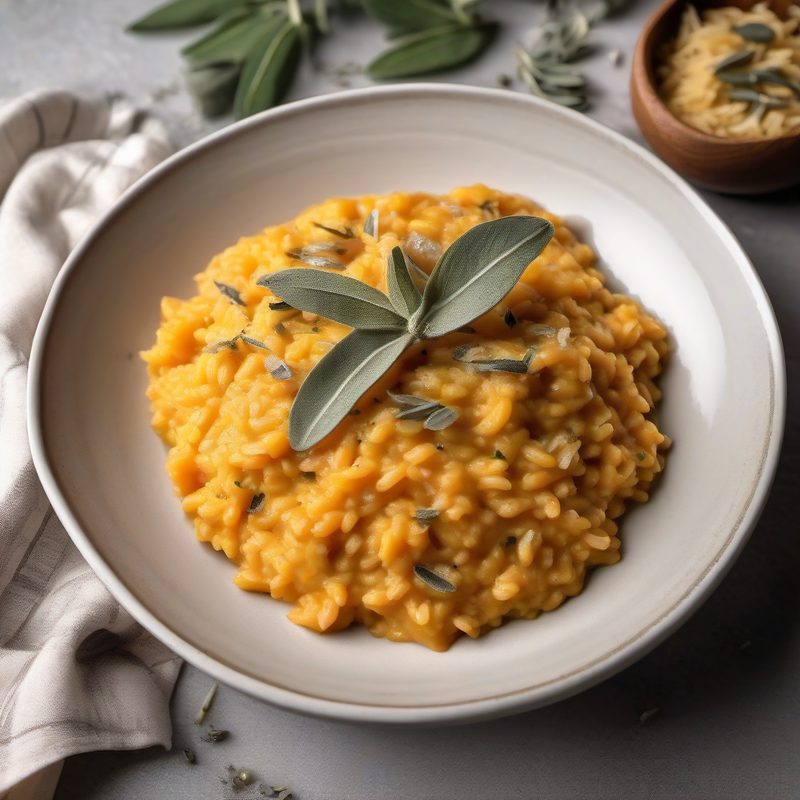
Photo reference: `vol1_173.png` — A wide, shallow ceramic bowl of golden tagliatelle glistening in a creamy, pale-beige walnut pesto. Bright green wilted baby spinach is scattered throughout the ribbons. Four deep-purple fig halves with caramelized, golden-brown cut surfaces are arranged on top, their interiors a vibrant fuchsia-red studded with tiny seeds. A final drizzle of olive oil catches the light. Warm afternoon sunlight streaming from the upper left, shot from a 45-degree overhead angle. A linen napkin, a few extra walnut halves, and a sprig of fresh marjoram garnish the rustic wooden table beside the bowl. Steam rises gently from the freshly tossed pasta.
This recipe has been adapted from the original Italian for the American home cook. Measurements have been converted, ingredients clarified, and every step tested for clarity and reliability. The authentic spirit of this Ligurian-inspired walnut and fig pesto — earthy, sweet, and deeply satisfying — remains unchanged.
Recipe from The Italian Kitchen by Vita Milanese — Volume 1 · Pasta Perfetto. Discover all volumes on the ebook page.