Puttanesca Risotto
A boldly flavored risotto that takes the briny, punchy pantry-sauce energy of puttanesca and transforms it into a creamy, velvety rice dish—fewer than a dozen ingredients, one pot, and no standing over the stove for an hour.
| Amount | Ingredient |
|---|---|
| 3 tbsp (30 g) | Capers, rinsed and finely chopped |
| ⅓ cup (50 g) | Pitted Kalamata or Gaeta olives, finely chopped |
| ¼ cup (15 g) | Fresh flat-leaf parsley, finely chopped |
| 2 tbsp (30 g) | Unsalted butter, cold, cubed |
| ½ cup (50 g) | Parmigiano-Reggiano, freshly grated, plus more for serving |
If you've ever made classic spaghetti alla puttanesca—the sauce that legend says was invented by Italian working women with nothing but pantry staples—you know the appeal: salty anchovies, briny capers, meaty olives, sweet cherry tomatoes, and a flicker of heat from fresh chili. But what happens when you take that exact flavor profile and marry it to the gentle, patient technique of risotto? The answer is a revelation. The starches from the rice create a creamy, emulsified canvas that softens the aggressive edges of the puttanesca while amplifying its savory depth. Every grain of rice becomes a tiny vehicle for that bold, umami-packed sauce, and the butter and Parmigiano finish turns the whole thing into something lush without being heavy. It's pantry cooking at its most elegant—the kind of dinner that tastes like you planned it for days when really, you just knew what to have on hand.
For the Puttanesca Sauce
For the Risotto
For Finishing
Use level tablespoons and standard US measuring cups. All produce is medium unless specified.
🥘 Equipment
- Dutch oven or heavy-bottomed pot (4–5 quart)
- Blender or immersion blender
- Large chef's knife and cutting board
- Wooden spoon or silicone spatula
- Ladle
- Fine-mesh strainer (if using whole capers)
- Measuring cups and spoons
- Grater (Microplane or box grater for Parmigiano)
📋 Preparation
Step 1 — Make the Puttanesca Sauce (25 minutes)
Place the Dutch oven over medium-low heat and add the 3 tablespoons of olive oil. When the oil is warm (not shimmering—this is a gentle cook), add the crushed garlic cloves and sliced chili peppers. Cook, stirring occasionally, until the garlic is fragrant and beginning to soften but not brown, about 2 minutes.
Add the 8 anchovy fillets and cook, mashing them into the oil with the back of a wooden spoon, until they dissolve into the oil completely, about 2 to 3 minutes. The anchovies should melt into a savory paste with no visible pieces remaining.
Don't rush the anchovy melting. Low heat is essential—high heat will seize the anchovies and make them bitter instead of savory. They should dissolve like butter into the warm oil, leaving behind only deep umami.
Add the halved cherry tomatoes and ½ teaspoon of kosher salt. Stir to coat the tomatoes in the anchovy-garlic oil. Increase the heat to medium, bring to a gentle simmer, then reduce the heat to low, cover, and cook until the tomatoes have broken down into a thick, jammy sauce, about 20 minutes. Stir occasionally to prevent sticking.
Remove the pot from the heat. Using tongs, fish out and discard the garlic cloves and chili peppers (they've done their job). Let the sauce cool slightly, then transfer to a blender or use an immersion blender directly in the pot. Blend until completely smooth. The sauce should be a deep brick-red, silky, and intensely savory. Return to the pot and set aside.
Step 2 — Toast the Rice and Deglaze (5 minutes)
Wipe out the Dutch oven (or use a clean heavy-bottomed pot) and place it over medium-high heat. Add the Arborio or Carnaroli rice and toast, stirring constantly, until the grains are translucent at the edges and smell faintly nutty, about 2 minutes. The rice should look pearly, not brown.
Toasting the rice in a dry pot before adding liquid firms up the outer layer of each grain, helping the rice maintain its structure through the long, slow cooking process. The result is risotto with a distinct al dente bite, not a mushy porridge.
Pour in the ½ cup of dry white wine. It will sizzle and steam immediately. Stir constantly until the wine is fully absorbed by the rice, about 1 minute. The rice should look dry again but smell fragrant and winy.
Step 3 — Cook the Risotto (18–22 minutes)
Begin adding the hot broth one ladleful (about ½ cup / 120 ml) at a time. After each addition, stir until the liquid is almost fully absorbed before adding the next. Maintain a gentle simmer throughout—the rice should be active but not boiling violently.
Step 4 — Add the Puttanesca Sauce and Finishing Ingredients (concurrent with Step 3)
While the rice cooks, prepare the finishing ingredients: finely chop the capers, olives, and parsley. Keep them separate.
After about 10 minutes of adding broth (roughly halfway through the cooking process—you should have used about 3 cups / 720 ml of broth by now), stir the blended puttanesca sauce into the risotto. It will immediately turn the rice a warm, brick-red color. Continue adding broth as before, stirring frequently.
Step 5 — Mantecare (Finish and Serve) (3 minutes)
After about 18 to 22 minutes of total cooking time, the rice should be tender but with a firm center (al dente), and the risotto should be loose and flowing—not stiff. There should be enough liquid that when you drag your spoon through the risotto, the gap slowly fills back in (all'onda — "wave-like").
Remove the pot from the heat. Stir in the finely chopped capers, olives, and parsley. Then add the cold cubed butter and grated Parmigiano-Reggiano. Stir vigorously and continuously for about 1 minute—this is the mantecatura, the crucial final step that emulsifies the butter and cheese into the starches, creating the signature creamy, glossy texture of properly made risotto.
The capers and olives are added off-heat to preserve their distinct textures and bright, briny flavors. If added too early during cooking, they would soften and blend into the sauce, losing the pops of salt and acidity that make puttanesca so distinctive.
Taste and adjust salt—the anchovies, capers, olives, and cheese are all salty, so you likely won't need additional salt. Serve immediately in warm shallow bowls with an extra grating of Parmigiano-Reggiano over the top.
🧑🍳 Chef's Tips
- Use Carnaroli rice if you can find it: Carnaroli has a higher starch content and larger, more uniform grains than Arborio, which means it holds its shape better through the long cooking process while still releasing enough starch for a creamy texture. Arborio works perfectly well—just stir a little more frequently toward the end to prevent sticking.
- Keep the broth hot, not boiling: As you add broth to the risotto, it should be at a gentle simmer—ideally in a separate saucepan over low heat. Adding cold broth shocks the rice and halts starch release, extending cooking time and producing unevenly cooked grains.
- The puttanesca sauce can be made up to 3 days ahead: Store the blended sauce in an airtight container in the refrigerator. Bring to room temperature before adding to the risotto. You can also double the sauce and freeze half for up to 1 month—it's excellent on pasta, grilled fish, or crostini.
- Finely chop the capers and olives: Roughly chopped add-ins create uneven bursts of salt. Finely chopping them distributes their flavor throughout every bite so that no single spoonful is overwhelmingly briny.
- Resist the urge to rinse the rice: Risotto relies on surface starch to create its signature creamy texture. Rinsing washes that starch away and produces a watery, disappointing result. Always use the rice straight from the package.
- Don't skip the mantecatura (butter-and-cheese finish): This step is not optional. The vigorous, off-heat stirring emulsifies the fat from the butter and cheese into the starch-water matrix of the rice, creating the glossy, flowing texture that separates great risotto from mediocre rice porridge. The pot must be off the heat—added heat would break the emulsion.
- Serve immediately: Risotto waits for no one. The starches continue to set as it cools, turning a creamy, flowing dish into a stiff, gluey mass within about 5 minutes. Have your bowls warm and your diners seated before you begin the mantecatura.
❌ Common Mistakes
| Mistake | Why It Hurts | The Fix |
|---|---|---|
| Adding all the broth at once | The rice cooks unevenly and the starches don't release properly, resulting in a soupy, mushy texture | Add broth one ladleful at a time, stirring after each addition until almost fully absorbed |
| Cooking over high heat | The broth evaporates before the rice can absorb it, and the grains cook unevenly—hard on the outside, chalky on the inside | Maintain a gentle simmer throughout. The surface should show lazy bubbles, not an aggressive boil |
| Adding the puttanesca sauce too early or too late | Too early: the sauce flavors fade and the rice turns an unappetizing muddy color. Too late: the sauce sits on top of the rice rather than integrating | Add the sauce at the halfway point (about 10 minutes into broth additions) for even flavor distribution |
| Using pre-grated Parmigiano | Pre-grated cheese contains anti-caking agents (cellulose, potato starch) that prevent it from melting smoothly, leaving a gritty texture | Always grate Parmigiano-Reggiano fresh from a wedge. The flavor is also noticeably better |
| Rinsing the rice | Washing away the surface starch is the single fastest way to guarantee a soupy, non-creamy risotto | Use Arborio or Carnaroli rice straight from the package—do not rinse |
| Letting the risotto sit before serving | Risotto continues to absorb liquid and thicken as it sits. After 5 minutes, a perfectly flowing risotto becomes a stiff, gluey mass | Serve immediately after mantecatura. Have everything ready—warm bowls, garnishes, diners seated |
| Overcooking the anchovies | High heat or prolonged cooking makes anchovies turn bitter and fishy instead of savory and umami-rich | Cook anchovies gently over medium-low heat until they dissolve—about 2 to 3 minutes—then proceed immediately |
| Not discarding the garlic and chili after the sauce | Left whole in the final sauce, the garlic cloves and chili peppers create unpleasant textural surprises and uneven heat distribution | Remove them with tongs before blending. Their flavor has been infused into the oil—that's what you want |
💡 Variations
| Variation | How To |
|---|---|
| Add Tuna | Flake 1 can (5 oz / 140 g) of oil-packed tuna (drained) into the risotto during the last 2 minutes of cooking, just before mantecatura. A classic puttanesca pairing that turns this into a heartier main course |
| Make it Spicier | Leave one of the sliced chilies in the sauce before blending, or add ½ teaspoon red pepper flakes with the anchovies. The heat contrasts beautifully with the creamy rice |
| Add Fresh Herbs | Replace half the parsley with fresh basil or fresh oregano. Basil adds sweetness, oregano adds a more rustic, southern Italian character. Stir in at the mantecatura stage |
| Use Sun-Dried Tomatoes | Replace half the cherry tomatoes with oil-packed sun-dried tomatoes (drained and roughly chopped). The sun-dried tomatoes add a deeper, more concentrated sweetness and a chewy texture |
| Go Vegetarian | Omit the anchovies and add 1 tablespoon of miso paste (white or red) when cooking the garlic and chili. Miso provides the same umami depth without the fish. Use vegetable broth instead of chicken |
| Add a Lemon Finish | Finely grate the zest of 1 lemon over the finished risotto just before serving. The bright citrus oils cut through the richness and echo the briny brightness of the capers and olives |
| Use a Different Rice | Substitute Vialone Nano or Baldo for Arborio or Carnaroli. Vialone Nano cooks slightly faster and produces a looser risotto; Baldo has very large grains and a firm bite. Adjust cooking liquid accordingly |
| Turn it into Risotto al Salto (Pan-Fried Leftovers) | Press leftover risotto into a ½-inch (12 mm) thick patty. Refrigerate for at least 30 minutes. Fry in olive oil in a nonstick skillet over medium-high heat until a deep golden crust forms on both sides, about 4 to 5 minutes per side. A classic Milanese way to use leftover risotto |
❄️ Storage & Leftovers
| Method | Details |
|---|---|
| Refrigerator | Store in an airtight container for up to 2 days. The risotto will stiffen significantly as the starches set. Spread it in an even layer before refrigerating so it cools and reheats evenly |
| Freezer | Risotto freezes surprisingly well for up to 1 month. Spread in a single layer on a parchment-lined baking sheet, freeze until solid (about 2 hours), then transfer to a freezer bag. Thaw overnight in the refrigerator |
| Reheating | The best method: reheat in a nonstick skillet over medium-low heat with a splash of broth or water (about ¼ cup / 60 ml per serving). Stir gently and frequently until warmed through and creamy again, about 5 minutes. Alternatively, reheat in a microwave at 50% power in 30-second bursts, stirring between each, adding broth as needed. Do not use high heat—it will turn the rice mushy |
🍷 Wine Pairing
| Wine | Why |
|---|---|
| Etna Rosso (Sicily) | Nerello Mascalese from the volcanic slopes of Mount Etna offers bright red cherry fruit, savory dried herbs, and a distinctive smoky-mineral edge that mirrors the briny, savory character of the puttanesca. The wine's lively acidity cuts through the creamy risotto while its earthy, volcanic soulmates with the anchovies and olives |
| Verdicchio dei Castelli di Jesi (Marche) | A white from the Marche region that might seem counterintuitive, but Verdicchio's bright lemon acidity, saline finish, and subtle bitter-almond note are a masterclass in contrast against the rich, creamy, briny risotto. The salt-crusted seafood character of this wine is an uncanny match for the anchovy-olive-caper trio |
| Montepulciano d'Abruzzo (Abruzzo) | Juicy, medium-bodied, and softly tannic, with dark cherry and plum notes accented by dried oregano and black pepper. The wine's rustic, honest personality is a natural companion to puttanesca's bold, unapologetic flavors. Its moderate alcohol and soft tannins won't overpower the delicate rice texture |
| Cerasuolo di Vittoria (Sicily) | Sicily's only DOCG red, a blend of Nero d'Avola and Frappato, offers fragrant red berry fruit, floral notes, and a light, ethereal body that lets the risotto's flavors lead. The Frappato component adds a spiced, almost citrusy lift that echoes the chili and capers beautifully |
| Franciacorta Brut Rosé (Lombardy) | A sparkling rosé from Lombardy—Italy's Champagne region—with fine bubbles, red berry fruit, and a toasty brioche note. The effervescence scrubs the palate clean between creamy spoonfuls, while the Pinot Nero base provides enough structure to stand up to the anchovies and olives. Celebration wine for a weeknight dinner |
| Italian Pilsner (Menabrea, Birra del Borgo) | If you prefer beer, the crisp, dry, highly carbonated profile of an Italian pilsner cuts through the creamy risotto like a palate reset button. The subtle herbal hop character (often Saaz or Styrian Goldings) plays beautifully with the oregano and parsley undertones of the dish |
🥗 Suggested Side Dishes
- Simple arugula salad with lemon and Parmigiano — A handful of peppery arugula dressed with nothing but fresh lemon juice, good olive oil, flaky salt, and wide shavings of Parmigiano-Reggiano. The bright, sharp acidity is the perfect counterpoint to the rich, creamy risotto
- Grilled zucchini with mint and lemon — Zucchini sliced lengthwise, grilled or pan-seared until charred, then finished with fresh mint, lemon zest, and a drizzle of olive oil. The smoky, herbal notes complement the briny puttanesca flavors
- Fennel and orange salad with black olives — Thinly sliced raw fennel bulb tossed with orange segments, a handful of additional Kalamata olives, olive oil, and a splash of white wine vinegar. The bright citrus and crunchy fennel refresh the palate between creamy mouthfuls
- Crostini with whipped ricotta and honey — Toasted baguette slices topped with fresh ricotta whipped with a touch of olive oil and lemon zest, finished with a drizzle of honey and cracked black pepper. A sweet-salty starter that bridges the wine and the meal
- Roasted broccolini with garlic and chili — Broccolini roasted at 425°F (220°C) with olive oil, sliced garlic, and a pinch of red pepper flakes until the florets are crispy and the stems are tender. The slight bitterness and char echo the chili and olive notes in the risotto
- Sautéed spinach with garlic and anchovy — A classic contorno: spinach wilted in olive oil with sliced garlic and a single anchovy fillet (melted into the oil). The flavors mirror the risotto's base, creating a cohesive, deeply savory meal
📊 Nutrition (per serving, estimated)
| Calories | Protein | Fat | Carbs | Fiber |
|---|---|---|---|---|
| 420 | 14 g | 16 g | 55 g | 4 g |
Nutrition is an estimate based on 4 servings using 1½ cups Arborio rice, 1 lb cherry tomatoes, 8 anchovy fillets, 3 tbsp olive oil, 2 tbsp butter, ½ cup Parmigiano-Reggiano, 3 tbsp capers, ⅓ cup olives, ½ cup white wine, and 5 cups chicken broth. Actual values will vary with brands, substitutions, and portion sizes. This dish is a good source of protein and calcium from the cheese, with heart-healthy monounsaturated fats from the olive oil and olives.
❓ Frequently Asked Questions
Can I use jarred puttanesca sauce instead of making my own?
You can, but the homemade version in this recipe is so simple and so much better that it's hard to justify the shortcut. Jarred puttanesca sauces tend to be heavier on tomato paste and sugar and lighter on anchovy and olive character—they lack the depth that comes from slowly cooking fresh cherry tomatoes with melted anchovies. If you're short on time, you can make the sauce up to 3 days ahead or freeze it for later. But if you absolutely must use jarred sauce, look for one that lists anchovies and olive oil as primary ingredients, not sugar.
Can I use short-grain sushi rice instead of Arborio or Carnaroli?
In a pinch, yes. Sushi rice has a similar starch profile to Arborio and will produce a creamy risotto. The grains will be slightly smaller and the texture slightly softer. The key difference is that sushi rice is often rinsed during processing, so check the package—if it's labeled "pre-washed" or "rinse-free," you're fine. If not, do not rinse it (you want the surface starch). Reduce the broth by about ½ cup and check for doneness 2 to 3 minutes earlier than the recipe indicates.
The risotto turned out too thick — what went wrong?
Two likely causes: (1) you cooked it too long — risotto continues to absorb liquid after it's off the heat. Remove it from the heat when it's still slightly looser than you want it to be, as the mantecatura (butter and cheese) and the brief rest before serving will thicken it. (2) Your heat was too high — aggressive boiling evaporates the broth quickly, leaving the rice undercooked and under-hydrated. Use a gentle simmer next time. If it happens, stir in an extra ¼ cup of hot broth or water and a knob of butter to loosen it.
Can I make this dairy-free?
Yes. Omit the butter and Parmigiano-Reggiano, and finish the risotto with 2 tablespoons of extra-virgin olive oil and ¼ cup of nutritional yeast (for the savory, cheesy notes). The texture will be slightly less creamy and glossy, but the flavor will still be excellent—the puttanesca sauce is bold enough to carry the dish on its own.
Why do I need to remove the garlic and chili before blending?
Leaving them in would create an overly aggressive garlic-and-chili-heavy sauce that overwhelms the delicate balance of puttanesca. The garlic cloves and chili peppers have infused their flavor into the oil during the initial cooking—that's the extraction you want. Blending them into the sauce would also create textural issues: cooked garlic cloves become slimy, and chili pepper skins are fibrous and unpleasant. The gentle infusion method gives you all the flavor with none of the harshness.
Can I add other seafood?
Absolutely. Mussels or clams (steamed separately and added with their cooking liquid) would be excellent. Small raw shrimp added during the last 3 minutes of risotto cooking work beautifully. Even flaked oil-packed tuna stirred in at the mantecatura stage is a classic variation. The briny, savory puttanesca base welcomes any seafood that doesn't overwhelm it—avoid strongly flavored fish like mackerel or sardines that would compete with the anchovies.
Is this traditionally served as a primo (first course) or a main?
In Italy, risotto alla puttanesca is typically served as a primo (first course), followed by a meat or fish secondo. But in the American home kitchen, this risotto is substantial enough to serve as a main course—it's rich, savory, and satisfying on its own. For a main-course portion, this recipe serves 4 generously. For a traditional Italian primo, it would serve 6 to 8.
The anchovies didn't melt — what happened?
Two possible causes: (1) The heat was too high — anchovies need gentle, low heat to dissolve. High heat firms their proteins and makes them seize up rather than melt. (2) There wasn't enough oil — the anchovies need a sufficient oil bath to dissolve into. Make sure you're using the full 3 tablespoons of olive oil and that the anchovies are submerged as they cook. Press them into the oil with the back of a wooden spoon to help them break down.
🔗 Related Recipes
- Spaghetti alla Puttanesca (Spaghetti with Olives, Capers, and Anchovies)
- Risotto alla Milanese (Saffron Risotto with Parmesan)
- Risotto ai Funghi Porcini (Porcini Mushroom Risotto)
- Risotto al Limone (Lemon Risotto with Parmigiano)
- Pasta con le Sarde (Pasta with Sardines, Fennel, and Breadcrumbs)
- Branzino al Forno (Mediterranean Baked Sea Bass with Olives and Tomatoes)
- Caponata Siciliana (Sweet and Sour Eggplant with Capers and Olives)
- Bruschetta con le Acciughe (Anchovy Bruschetta with Tomatoes and Olive Oil)
🏷️ Search Tags
📸 Photo Reference
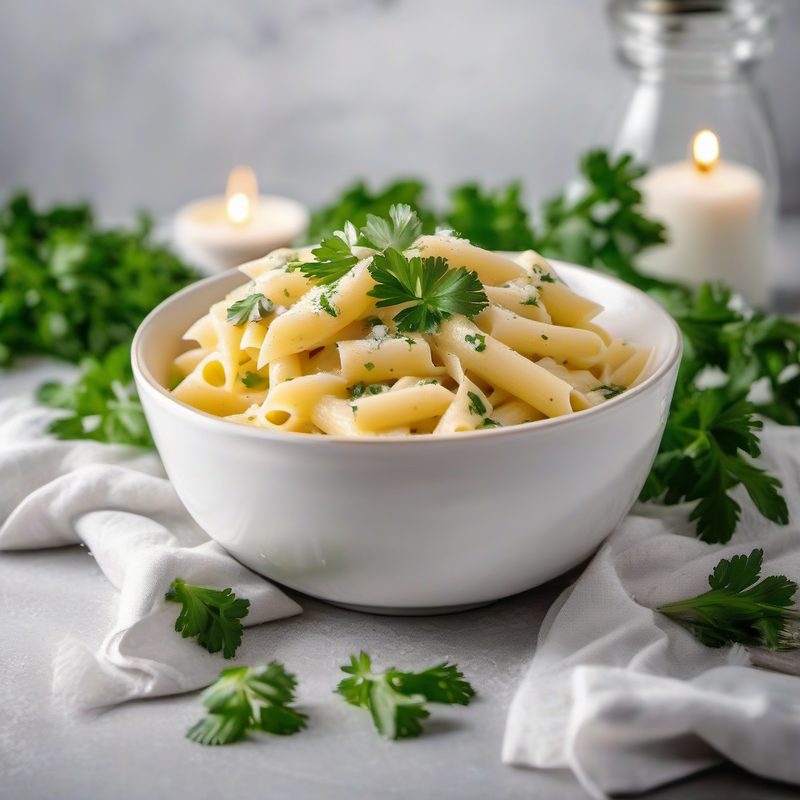
Photo reference: `vol1_91.png` — A wide, shallow white ceramic bowl of brick-red risotto, creamy and flowing, studded with finely chopped black olives and capers. A generous grating of Parmigiano-Reggiano dusts the top, with a few fresh parsley leaves scattered for color. The risotto has the characteristic all'onda consistency—loose enough to gently spread across the bowl in a slow, thick wave. Warm, golden afternoon light from a 45-degree overhead angle. A small cruet of olive oil and a crusty piece of bread sit in the near background, suggesting a rustic, inviting Italian table setting.
Recipe from "The Italian Kitchen" by Vita Milanese — Volume 1: Pasta Perfetto
Recipe from The Italian Kitchen by Vita Milanese — Volume 1 · Pasta Perfetto. Discover all volumes on the ebook page.