Ortigia Linguine
A Sicilian pasta from the island of Ortigia — briny anchovies melt into a velvety cream, joined by crunchy walnuts and sharp pecorino, all crowned with golden breadcrumbs. Ready in 25 minutes, this is cucina povera at its most elegant.
| Amount | Ingredient |
|---|---|
| Toasting breadcrumbs with too much oil | The breadcrumbs become greasy and heavy instead of light and crunchy Dry-toast breadcrumbs in a skillet over medium heat, stirring constantly. A light drizzle of oil at most |
Ortigia, the historic island at the heart of Syracuse, is known for its ancient Greek ruins, Baroque architecture, and a culinary tradition that draws from the sea and the land in equal measure. This pasta embodies that spirit: anchovies from the Ionian Sea, walnuts from the Sicilian hinterland, and sharp pecorino from the Hyblaean Mountains. The anchovies are cooked slowly until they dissolve into a silky, savory cream that coats every strand of linguine, while roughly crushed walnuts add texture and nutty depth. A sprinkle of toasted breadcrumbs on top provides a satisfying crunch that contrasts with the velvety sauce. Simple, bold, and deeply satisfying — this is Sicily on a plate.
Use good-quality anchovy fillets packed in olive oil — the salty, umami-rich flavor is the backbone of this dish. Walnuts should be fresh; stale walnuts taste bitter. Pecorino should be a sharp, aged Sicilian pecorino if available; if not, a good Pecorino Romano works beautifully. The breadcrumbs should be homemade from day-old crusty bread, toasted until golden — they add a texture that canned breadcrumbs cannot replicate.
🥘 Equipment
- Large pot (6 qt / 6 L) for pasta
- Large skillet or sauté pan (12 inch / 30 cm)
- Colander
- Chef's knife and cutting board
- Meat mallet or rolling pin (for crushing walnuts)
- Clean kitchen towel (for wrapping walnuts)
- Wooden spoon or tongs
- Measuring cups and spoons
- Small skillet (for toasting breadcrumbs)
📋 Preparation
Step 1 — Toast the Breadcrumbs (5 minutes)
Place a small skillet over medium heat. Add the breadcrumbs and toast, stirring frequently, until they turn golden brown and fragrant — about 3 to 4 minutes. Transfer to a small bowl and set aside. Do not add oil; dry-toasting keeps them light and crunchy.
Toasted breadcrumbs are the textural crown of this dish. They add a nutty crunch that contrasts beautifully with the velvety anchovy sauce. If you want extra richness, you can toast them in a tablespoon of olive oil — but dry-toasting is more traditional and keeps the dish lighter.
Step 2 — Crush the Walnuts (3 minutes)
Place the walnuts in the center of a clean kitchen towel. Fold the towel over to cover them completely. Using a meat mallet (or the bottom of a heavy skillet, or a rolling pin), gently crush the walnuts until they are broken into rough, uneven pieces — about ¼ inch (5–6 mm) pieces, with some smaller bits and a few larger chunks for texture.
Set the crushed walnuts aside. Do not chop them with a knife — the towel-and-mallet method gives you irregular pieces that provide better texture than uniform chopped nuts.
Unevenly crushed walnuts are ideal: the smaller pieces integrate into the sauce while the larger chunks provide occasional bursts of nutty crunch. Be careful not to pulverize the walnuts into dust — you want discernible pieces.
Step 3 — Cook the Pasta (10 minutes)
Fill a large pot (6 qt / 6 L) with generously salted water and bring to a rolling boil. Add the linguine and cook according to package directions until al dente — typically 8 to 10 minutes for dried pasta.
Reserve about 1 cup (240 ml) of the pasta cooking water before draining. Drain the pasta well (do not rinse).
The starchy pasta water is essential for creating a creamy, emulsified sauce that clings to the pasta. Reserve a full cup — you may not need all of it, but you will regret not having enough.
Step 4 — Make the Anchovy Sauce (5 minutes, while pasta cooks)
While the pasta cooks, place a large skillet over medium-low heat. Add 3 to 4 tablespoons of olive oil and the minced garlic. Sauté gently for 1 minute, until the garlic is fragrant but not colored.
Add the anchovy fillets to the pan. Cook over medium-low heat, stirring and breaking them apart with a wooden spoon. The anchovies will slowly dissolve into the oil, creating a velvety, creamy sauce — this takes about 2 to 3 minutes. The fillets should completely disappear into the oil, leaving a smooth, savory paste.
Add 1 tablespoon of the grated pecorino and stir until fully incorporated into the anchovy cream. The cheese will thicken the sauce slightly and add another layer of savory depth.
Add the crushed walnuts and stir to coat them in the anchovy cream. Cook for 30 seconds, just to warm them through.
The key to this sauce is patience and low heat. Anchovies cooked too quickly or over high heat will seize up and become fishy rather than dissolving into a silky cream. Low heat allows the fillets to melt gently into the oil, transforming their briny intensity into something mellow and luxurious. The cheese at this stage helps bind the sauce and prevents the walnuts from absorbing too much oil.
Step 5 — Combine and Finish (2 minutes)
Reduce the heat to the lowest setting. Add the drained linguine to the skillet with the anchovy sauce. Add ½ cup (120 ml) of the reserved pasta water and the remaining 7 tablespoons of pecorino.
Toss vigorously with tongs for 1 to 2 minutes, adding more pasta water 1 tablespoon at a time as needed, until the sauce emulsifies into a creamy, glossy coating that clings to every strand. The pasta should be slick and shiny, not oily or dry.
Taste and adjust — add a splash more pasta water if needed, or a grind of black pepper (anchovies and pecorino are already quite salty, so additional salt is rarely needed).
The mantecatura (creaming) step transforms the separate elements — oil, anchovy cream, walnut pieces, cheese, and starchy water — into a unified, velvety sauce that clings to the pasta. Work quickly and energetically; the emulsion forms best when everything is still hot.
Step 6 — Plate and Serve (2 minutes)
Divide the linguine among 4 warm shallow bowls, using tongs to create neat, coiled nests.
Sprinkle the toasted breadcrumbs generously over each serving — about 1 tablespoon per portion. The breadcrumbs should form a light, golden crown over the pasta.
Optional garnish: Scatter a few fresh parsley leaves (not chopped) over the top for color contrast.
Serve immediately — the breadcrumbs will soften as they sit, so this dish waits for no one.
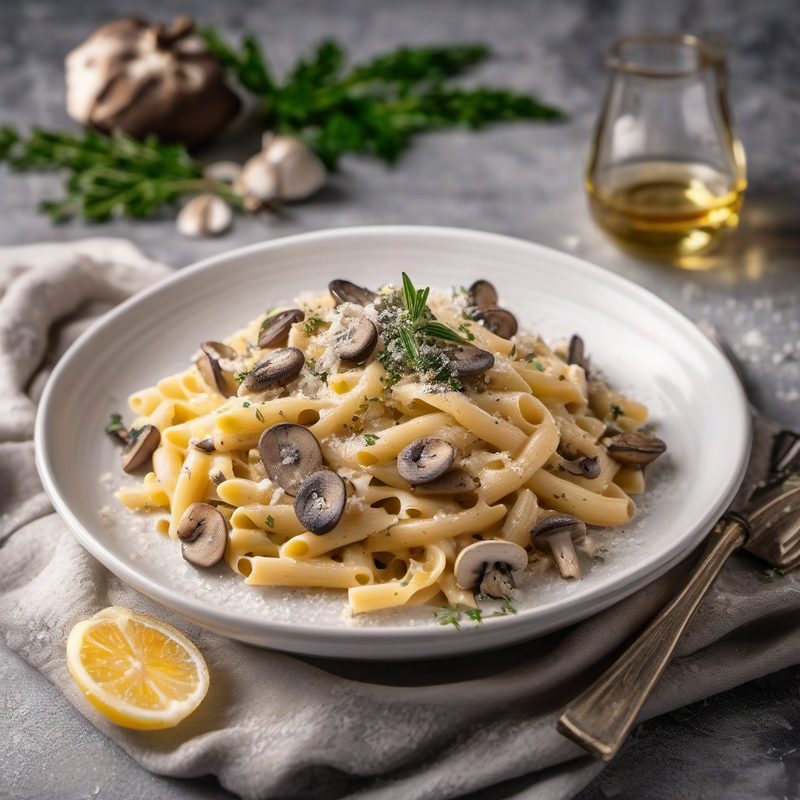
The visual contrast is striking: pale golden linguine coated in a silky, amber-tinged anchovy sauce, studded with irregular walnut pieces, and crowned with a golden drift of toasted breadcrumbs. It is rustic, elegant, and unmistakably Sicilian.
🧑🍳 Chef's Tips
- Low heat is essential for the anchovies. They must dissolve gently into the oil — high heat makes them seize up and turn fishy. Keep the flame at medium-low and be patient. The transformation from fillets to velvety cream takes about 3 minutes and is the single most important step in this dish.
- Crush the walnuts, don't chop them. Wrapping them in a towel and using a meat mallet (or bottom of a skillet) gives you irregular pieces that provide better texture. Some fine crumbles will integrate into the sauce while larger pieces offer crunch. Avoid uniform pieces — variation is the goal.
- Reserve abundant pasta water. The starchy water is essential for emulsifying the sauce. Reserve at least 1 cup (240 ml) before draining. The sauce needs the starch to bind the oil, anchovy cream, and cheese into a cohesive coating.
- Don't skip the breadcrumbs. They are not a garnish — they are a structural element of the dish. The contrast between the creamy, silky pasta and the crunchy, toasty breadcrumbs is what makes this dish special. Toast them yourself; fresh breadcrumbs from day-old bread are far superior to the dusty canned variety.
- Taste before adding salt. Anchovy fillets and pecorino are both intensely salty. You will almost certainly not need additional salt in the pasta water or the sauce. A generous grind of black pepper is usually all the seasoning needed.
- Use good olive oil. With so few ingredients, the quality of the olive oil matters. Use a fruity, peppery extra-virgin olive oil from Sicily if possible — it will shine through in the finished dish.
❌ Common Mistakes
| Mistake | Why It Hurts | The Fix |
|---|---|---|
| Cooking anchovies over high heat | The fillets seize up and release a harsh, fishy flavor instead of dissolving into a mellow cream | Cook over medium-low heat, stirring constantly, until the fillets dissolve naturally — about 3 minutes |
| Crushing walnuts to a powder | The walnuts disappear into the sauce, providing no textural contrast | Crush gently in a towel with a mallet — aim for ¼ inch (5–6 mm) pieces with some variation |
| Skipping the pasta water | The sauce will be oily and thin, pooling at the bottom of the bowl rather than clinging to the pasta | Always reserve at least 1 cup of pasta water and add it gradually while tossing vigorously |
| Using stale walnuts | Stale walnuts taste bitter and rancid, ruining the entire dish | Taste a walnut before using. Fresh walnuts should be sweet, creamy, and slightly buttery |
💡 Variations
| Variation | How To |
|---|---|
| Add lemon zest | Add the zest of ½ lemon to the anchovy sauce just before adding the pasta. The bright citrus cuts through the richness and adds freshness |
| Use different nuts | Substitute pine nuts, almonds, or hazelnuts for the walnuts. Toast them lightly first for extra flavor. Each nut brings a different character: pine nuts are buttery, almonds are sweet, hazelnuts are earthy |
| Add chili heat | Add a pinch of red pepper flakes (peperoncino) with the garlic. The heat balances the salty-savory anchovy cream beautifully |
| Make it vegetarian | Omit the anchovies and substitute 2 tablespoons of capers (rinsed and chopped) and 4 halved sun-dried tomatoes. The capers provide brininess while the tomatoes add sweetness and umami |
| Use bucatini or spaghetti | Any long pasta works well. Bucatini (hollow strands) are especially good — the sauce gets inside the tubes for an extra burst of flavor |
| Add a splash of pasta water to the breadcrumbs | Sprinkle a few drops of pasta water over the toasted breadcrumbs just before serving — it creates tiny clumps of moistened crumb that add a different texture |
| Top with fresh herbs | A scattering of fresh mint or basil (not parsley) adds a bright, aromatic finish that complements the anchovy and walnut flavors |
| Add a drizzle of honey | For a sweet-savory contrast, drizzle a teaspoon of chestnut or orange-blossom honey over each serving just before the breadcrumbs. This is a modern twist inspired by Sicilian sweet-and-savory traditions |
❄️ Storage & Leftovers
| Method | Details |
|---|---|
| Refrigerator | Store in an airtight container for up to 1 day. The breadcrumbs will soften completely, and the pasta will absorb the sauce |
| Reheating | Reheat in a skillet over medium-low heat with a splash of water or pasta water, tossing gently until warmed through (2–3 minutes). The breadcrumbs will have softened — refresh with a new sprinkle of freshly toasted breadcrumbs before serving. Do not microwave; it makes the anchovy flavor harsh |
| Freezing | Freezing is not recommended. The pasta becomes mushy, the walnuts lose their texture, and the anchovy flavor diminishes. Make only as much as you will eat in one sitting |
| Advance Prep | Toast the breadcrumbs (store in an airtight container at room temperature for up to 3 days) and crush the walnuts (store in a sealed bag in the refrigerator for up to 1 week). On serving day, you need only 15 minutes of active work |
| Breadcrumbs (Make Ahead) | Toasted breadcrumbs keep well in an airtight container at room temperature for up to 5 days. Re-crisp them in a dry skillet for 1 minute before using if they have softened |
🍷 Wine Pairing
| Wine | Why |
|---|---|
| Etna Bianco (Sicily) | A mineral-driven white from the volcanic slopes of Mount Etna — notes of green apple, white flowers, and flinty minerality. The bright acidity cuts through the rich anchovy cream, while the mineral notes echo the brininess of the anchovies. The wine's delicate fruit does not compete with the bold flavors |
| Grillo (Sicily) | A full-bodied, aromatic white native to Sicily, with flavors of citrus, white peach, and Mediterranean herbs. Its weight and richness stand up to the pecorino and walnuts without being overwhelmed. A classic pairing for Sicilian pasta |
| Verdicchio dei Castelli di Jesi (Marche) | Crisp and mineral-driven with pronounced acidity and a subtle bitter-almond finish — the acidity tames the richness of the anchovy-walnut sauce while the almond note harmonizes with the walnuts |
| Greco di Tufo (Campania) | A structured white with stone fruit, citrus, and flinty notes. Its body matches the weight of the dish, and its high acidity keeps the palate refreshed against the salty pecorino and anchovies |
| Soave Classico (Veneto) | Light, floral, and unoaked with a subtle bitter-almond finish. The wine's delicacy provides a refreshing counterpoint to the bold, savory flavors of the pasta |
| Franciacorta Brut (Lombardy, sparkling) | Italy's premier méthode traditionnelle sparkling wine — brisk bubbles and crisp acidity cut through the olive oil and cheese like a knife, resetting the palate with every sip. The yeasty, brioche notes add another layer of complexity |
🥗 Suggested Side Dishes
- Simple arugula and lemon salad — Baby arugula dressed with 3 parts extra-virgin olive oil, 1 part fresh lemon juice, salt, and pepper. The peppery, bright greens provide a clean contrast to the rich, savory pasta
- Grilled fennel with orange — Fennel bulbs halved, brushed with olive oil, grilled until tender and lightly charred, then finished with a squeeze of blood orange juice and flaky salt. The anise flavor echoes the Mediterranean character of the dish
- Marinated olives and roasted peppers — A simple antipasto of mixed olives (Castelvetrano and Gaeta), roasted red peppers, and a drizzle of good olive oil. The briny olives complement the anchovies while the sweet peppers offer a different flavor dimension
- Crusty sourdough or pane cafone — A rustic Sicilian bread for sopping up any remaining anchovy-walnut sauce from the bowl. The bread should be crusty on the outside and airy on the inside
- Roasted cherry tomatoes with basil — Cherry tomatoes halved, roasted at 400°F (200°C) for 15 minutes with olive oil, salt, and a pinch of sugar, then finished with fresh basil. The sweet-tart tomatoes balance the salty, savory pasta
📊 Nutrition (per serving, estimated)
| Calories | Protein | Fat | Carbs | Fiber |
|---|---|---|---|---|
| ~520 | 18 g | 22 g | 62 g | 4 g |
Nutritional values are estimates based on 4 servings with 400 g linguine, 10 anchovy fillets, 8 walnuts, 8 tbsp pecorino, 3 tbsp olive oil, and breadcrumbs. Actual values will vary based on specific brands and portion sizes. Anchovies are rich in omega-3 fatty acids, calcium, and protein. Walnuts provide healthy polyunsaturated fats, including alpha-linolenic acid (ALA), an omega-3 with anti-inflammatory properties. Pecorino adds calcium and protein but also contributes saturated fat and sodium — a little goes a long way. This is a moderate-calorie main course; as a primo (first course), it will serve 6 with smaller portions (approximately 350 calories per serving).
❓ Frequently Asked Questions
What is Ortigia and why is this dish named after it?
Ortigia is the historic island at the center of Syracuse, Sicily — a small, walkable island filled with ancient Greek ruins, Baroque palaces, fish markets, and trattorias. This pasta is typical of the island's cucina povera tradition: simple, inexpensive ingredients (anchovies, walnuts, breadcrumbs, pecorino) transformed into something far greater than the sum of their parts. The dish reflects Ortigia's dual identity as a fishing port and a land of olive groves and walnut trees.
Can I use anchovy paste instead of whole anchovy fillets?
You can, but whole fillets are strongly preferred. Anchovy paste is denser, saltier, and lacks the subtle texture that whole fillets develop as they dissolve into the oil. If you must substitute, use 2 teaspoons of anchovy paste and adjust salt carefully — paste is significantly saltier than fillets.
My anchovies didn't dissolve — they're still in pieces. What went wrong?
Two possible issues: (1) The heat was too high, causing the anchovies to seize up rather than melt. (2) There wasn't enough oil — anchovies need enough olive oil to gently confit as they dissolve. Next time, use low heat and ensure the fillets are fully submerged in a generous layer of oil.
Can I use a different cheese instead of pecorino?
Pecorino's sharp, salty, sheep's-milk character is integral to this dish. Parmigiano-Reggiano or Grana Padano can be used in a pinch, but they are milder and less salty — you will need about 12 tablespoons instead of 8 to achieve a similar intensity. The flavor profile will also shift: cow's-milk cheeses lack pecorino's distinctive tang.
The breadcrumbs got soggy before I finished eating. How do I prevent this?
Breadcrumbs soften inevitably as they sit on hot pasta. To maximize crunch: (1) Toast them until deep golden, not pale. (2) Sprinkle them on just before serving, not while tossing the pasta. (3) For extra insurance, add a second sprinkle of fresh toasted breadcrumbs at the table. (4) Serve in warmed bowls so the pasta doesn't cool down and release steam that softens the breadcrumbs.
Can I make this gluten-free?
Yes — substitute 400 g (14 oz) of high-quality gluten-free linguine (brown rice, quinoa, or chickpea-based). Cook according to package directions (typically 1–2 minutes longer than wheat pasta). Use gluten-free breadcrumbs (made from GF bread) or substitute crushed GF crackers. All other ingredients are naturally gluten-free.
My linguine is stuck together in the pan. What happened?
Either the pasta was overcooked or you didn't toss it vigorously enough with enough pasta water. The starch released from the pasta combined with the oil should create a lubricating emulsion. If the pasta clumps, add another splash of pasta water and toss forcefully — the additional liquid and starch will loosen the strands.
🔗 Related Recipes
- Spaghetti with Squid Ink, Mussels, and Shrimp (Spaghetti al nero di seppia con cozze e gamberi) (page 103)
- Linguine with Garlic, Oil, and Shrimp (Linguine aglio, olio e gamberi) (page 27)
- Tagliatelle with Walnut and Fig Pesto (Tagliatelle con pesto di noci e fichi) (page 173)
- Almond and Olive Pesto (Pesto di mandorle e olive) (page 112)
- Spaghetti alla Cetarese (Spaghetti Cetara-Style) (page 142)
🏷️ Search Tags
📸 Photo Reference
Photo reference: `vol1_188.png` — An overhead or slightly elevated three-quarter shot of a shallow white ceramic bowl filled with linguine all'ortigia. The linguine is glossy and slick with a pale amber-tinged anchovy sauce, each strand coated in a silky emulsion. Irregular pieces of walnut are scattered throughout — some small crumbles integrated into the sauce, some larger chunks visible on top. The pasta is crowned with a generous drift of golden toasted breadcrumbs, forming a textured, crunchy topping. A final scatter of fresh flat-leaf parsley leaves (whole, not chopped) adds bright green color contrast. Beside the bowl: a small ramekin of extra toasted breadcrumbs, a fork, and a glass of chilled white wine (Etna Bianco). A few whole walnuts and a lemon half are arranged casually on the table for visual context. The lighting is warm and natural, creating soft highlights on the glossy pasta and the rough walnut surfaces. The overall mood is rustic, warm, and inviting — the kind of dish that beckons you to sit down and eat.
Recipe from "The Italian Kitchen" by Vita Milanese — Volume 1: Pasta Perfetto
Recipe from The Italian Kitchen by Vita Milanese — Volume 1 · Pasta Perfetto. Discover all volumes on the ebook page.