Orecchiette Turnip Greens
Ear-shaped pasta tangled with tender, bitter turnip greens, garlicky olive oil, and a whisper of anchovy and chili — this is the soul of Puglia in a bowl, a 45-minute weeknight masterpiece from Italy's heel.
| Amount | Ingredient |
|---|---|
| 500 g (about 1 lb) | Turnip greens (cime di rapa) — select those with flowers and tender leaves |
| 2 tbsp | Extra virgin olive oil, plus more for drizzling |
| 2 cloves | Garlic, peeled |
| 1 | Anchovy fillet in oil, drained |
| to taste | Chili pepper (fresh or dried, crumbled) |
| to taste | Salt |
| 160 g (about 5.5 oz) | Orecchiette (fresh or dried) |
| to taste | Fresh black pepper |
Orecchiette con cime di rapa is the definitive pasta dish of Puglia, the sun-baked region that forms the heel of Italy's boot. At first glance it's humble — just ear-shaped handmade pasta and turnip greens — but the magic lies in the layering: the greens are cooked right in the pasta water, absorbing salt and starch as they go, then finished in a pan with golden garlic, a single anchovy that dissolves into savory depth, and a flick of chili heat. The turnip greens themselves are a study in contrasts — the leaves are earthy and robust, the tiny broccoli-like flower buds tender and sweet. Together with the chewy, hand-shaped orecchiette, they create a dish that is both rustic and refined, peasant food raised to the level of art. There's a reason this is the most famous pasta dish of Puglia: it's cheap, fast, wildly flavorful, and deeply satisfying. The key is timing — adding leaves and flowers to the pot at different moments so each component reaches perfection simultaneously.
Use level tablespoons. All produce is medium unless specified.
🥘 Equipment
- Large pot (for pasta)
- Large skillet or sauté pan (12-inch)
- Chef's knife and cutting board
- Colander
- Ladle
- Vegetable peeler (optional, for removing tough ribs)
📋 Preparation
Step 1 — Clean the Turnip Greens (10 minutes)
Select the flowers and tender leaves from the bunch of turnip greens. Discard the tough stems entirely. For any large leaves, break them in half and remove the central ribs — these are fibrous and woody. Keep the leaves separate from the flowers; they will be added to the pot at different times.
Wash everything thoroughly under cold running water to remove any grit or soil. Shake off excess water but don't dry them completely — the water clinging to the leaves will help them cook.
Turnip greens (cime di rapa) are sometimes called broccoli rabe or rapini in English. Look for bunches with bright green leaves, firm stems, and tight, broccoli-like flower buds that haven't opened into yellow flowers. The smaller, more tender leaves are best; avoid bunches with yellowing leaves or thick, woody stems.
Step 2 — Prepare the Garlic-Anchovy Base (5 minutes)
In a large skillet or sauté pan, heat the extra virgin olive oil over medium-low heat. Add the peeled garlic cloves and the drained anchovy fillet.
Cook gently, stirring occasionally, until the garlic turns golden (not brown — brown is bitter) and the anchovy dissolves completely into the oil, mashing it with a wooden spoon as it softens — about 3–4 minutes. The anchovy should disappear into the oil, leaving behind only its savory depth.
Turn off the heat. Add the crumbled chili pepper (a small pinch for gentle warmth, more if you like heat) and swirl the pan. Set aside.
The anchovy is not meant to taste fishy — it's a secret weapon that melts into the oil, adding an invisible layer of savory umami that makes the dish taste deeper and more complex. If you're skeptical, try it once and see. The garlic should be golden and soft — if it browns too quickly, the oil was too hot.
Step 3 — Cook the Pasta and Greens (12 minutes)
Bring a large pot of generously salted water to a rolling boil. Add the orecchiette and cook for 2 minutes less than the package directions (the pasta will finish cooking in the pan).
5 minutes before the pasta is done, add the turnip green LEAVES to the pasta pot. Stir to submerge them in the boiling water.
2 minutes before the pasta is done, add the FLOWERS (the broccoli-like buds) to the pot.
Just before draining, use a ladle to transfer about ½ cup (120 ml) of the starchy pasta water to the skillet with the garlic-anchovy oil. Stir to combine.
Drain the pasta and greens together in a colander. Don't rinse — the starch clinging to everything is flavor.
The staggered timing is the secret to this dish. Leaves need more time to tenderize, while the delicate flower buds need only a quick dip. Adding everything at once would leave you with either tough flowers or mushy leaves. The pasta water you add to the pan is liquid gold — its starch helps the oil cling to every orecchiette and leaf.
Step 4 — Toss and Finish (2 minutes)
Return the drained pasta and greens to the skillet with the garlic-anchovy oil. Turn the heat to high and toss everything together for 2 minutes, using tongs or a wooden spoon, until the pasta is glistening and the greens are evenly coated.
The orecchiette should be al dente — tender but with a pleasant chew. The greens should be wilted but still vibrant green, the flowers tender.
Serve immediately in warm bowls. Finish with a generous grinding of fresh black pepper and a drizzle of extra virgin olive oil.
The brief high-heat toss in the pan is the final act — it melds the oil, pasta water, and seasonings into a cohesive sauce that clings to every ear-shaped piece of pasta. Serve right away; this dish waits for no one.
🧑🍳 Chef's Tips
- Look for bunches with flowers: The best cime di rapa have tight, broccoli-like flower buds. These are the tenderest and most flavorful parts. Avoid bunches where the flowers have opened into yellow blossoms — they'll be tougher and slightly bitter.
- Don't skip the anchovy: It doesn't taste like fish — it dissolves into the oil and adds an irreplaceable savory depth. For a vegetarian version, substitute 1 teaspoon of red miso paste or a splash of soy sauce, though the flavor will be different.
- Orecchiette from Puglia if you can find them: Authentic Pugliese orecchiette are handmade, slightly irregular in shape, and have a rougher texture that grabs sauce better than the smooth, machine-made versions. Look for bronze-die extruded or imported Italian orecchiette.
- The pasta water is liquid gold: Be generous when you transfer it to the pan. The starch emulsifies with the olive oil to create a creamy, clinging sauce without any dairy. If the pasta looks dry when tossing, add another splash of pasta water.
- Chili heat: Use fresh red chili (sliced thin) or dried red pepper flakes. In Puglia, they often use peperoncino (dried Calabrian chili) — it adds gentle warmth without overwhelming the delicate greens.
- Go easy on the salt: The anchovy and the salted pasta water both contribute salt. Taste before adding extra.
- Grated ricotta salata (optional): Some Pugliese cooks finish this dish with a dusting of grated ricotta salata (salted, aged ricotta) — it adds a salty, milky finish that's lovely but not traditional for every version.
❌ Common Mistakes
| Mistake | Why It Hurts | The Fix |
|---|---|---|
| Adding all greens at once | The tough leaves need more time than the delicate flowers — you get either raw flowers or mushy leaves | Add leaves 5 min before done, flowers 2 min before done |
| Overcooking the garlic | Burnt garlic turns bitter and ruins the oil's flavor | Cook on medium-low and pull the garlic as soon as it's golden, not brown |
| Skipping the pasta water | The oil stays separate from the pasta — no creamy, clinging sauce | Always reserve a ladleful before draining |
| Rinsing the pasta | Washes away the starch that helps the sauce cling | Never rinse — drain and go straight to the pan |
| Overcooking the orecchiette | They lose their signature chewy bite and become mushy | Cook 2 minutes less than package time; they finish in the pan |
| Using tough stems | Fibrous, woody pieces ruin the texture | Discard all tough stems and central ribs — keep only tender leaves and flowers |
💡 Variations
| Variation | How To |
|---|---|
| Orecchiette with Sausage | Brown 2 loose Italian sausages (or 1 link, casing removed) in the skillet before adding the garlic-anchovy oil. Remove the sausage, proceed with the recipe, and toss the crumbled sausage back in at the end. A heartier, winter-ready version. |
| With Breadcrumbs (mollica) | Toast ¼ cup fresh breadcrumbs in a dry pan until golden and crisp. Sprinkle over the finished dish — the crunchy texture contrasts beautifully with the tender greens and chewy pasta. Traditional in some parts of Puglia. |
| Vegetarian Version | Omit the anchovy and add 1 teaspoon of capers (rinsed and chopped) or 1 tablespoon of nutritional yeast for umami. The dish will be cleaner and greener. |
| With Cherry Tomatoes | Halve 6–8 cherry tomatoes and add them to the skillet when you add the pasta water. Let them soften for 1 minute before tossing with the pasta — they add acidity and sweetness. |
| Gluten-Free | Use your favorite gluten-free orecchiette or another short pasta shape. Cook according to package directions and adjust the greens timing accordingly. |
| Turnip Greens Substitution | If you can't find cime di rapa, use broccoli rabe (rapini), regular broccoli (cut into small florets and peeled stems), or a mix of kale and broccolini. The timing for leaves vs. florets will vary slightly. |
❄️ Storage
| Method | Details |
|---|---|
| Refrigerator | Store in an airtight container for up to 2 days. The greens will continue to soften and darken overnight. |
| Reheating | Reheat in a skillet over medium heat with a splash of water or olive oil, tossing until heated through. Do not microwave — it turns the greens mushy and the pasta rubbery. |
| Freezing (not recommended) | The greens become watery and the pasta loses its al dente texture upon thawing. Best eaten fresh. |
🍷 Wine Pairing
| Wine | Why |
|---|---|
| Primitivo di Manduria (Puglia) | The canonical pairing — a robust, sun-drenched red from Puglia with dark fruit, spice, and a touch of sweetness that tames the greens' bitterness. Serve at 60–65°F (15–18°C). |
| Salice Salentino (Puglia) | A Negroamaro-based red from the Salento peninsula — earthy, slightly smoky, with black cherry and Mediterranean herb notes that mirror the dish's rustic soul. |
| Verdeca (Puglia) | A crisp, mineral-driven white from Puglia — the acidity cuts through the olive oil and the herbaceous notes complement the turnip greens. Serve well-chilled (45–50°F / 7–10°C). |
| Falanghina (Campania) | Bright, floral, and citrusy with a saline finish — the perfect foil for the anchovy's savory depth and the greens' bitterness. |
| Lambrusco Grasparossa (Emilia-Romagna) | A dry, chillable red frizzante — the bubbles and high acidity slice through the olive oil and refresh the palate between bites. |
🥗 Suggested Sides
- Focaccia Pugliese — soft, olive-oil-drenched focaccia from Puglia, studded with cherry tomatoes and oregano; perfect for sopping up every drop of garlic-anchovy oil from the bowl
- Insalata di Finocchi e Arance (Fennel and Orange Salad) — thin-shaved fennel, blood orange segments, black olives, and a lemon-olive oil dressing; the bright, citrusy crunch is a perfect counterpoint to the earthy, bitter greens
- Caprese Salad — simple, pristine: ripe tomatoes, fresh buffalo mozzarella, basil, and the best olive oil you have; let the quality of the ingredients speak
- Olive Ascolane (Stuffed Fried Olives) — large green olives stuffed with meat, breaded, and fried — a classic Pugliese antipasto that adds a crunchy, savory element
- Burrata con Pomodorini (Burrata with Cherry Tomatoes) — a ball of burrata, halved cherry tomatoes, basil, a crack of black pepper, and a flood of olive oil; the creamy, milky cheese contrasts beautifully with the bitter greens
📊 Nutrition (per serving — based on 2 servings)
| Calories | Protein | Fat | Carbs | Fiber |
|---|---|---|---|---|
| 475 | 16 g | 18 g | 60 g | 7 g |
Nutrition is an estimate and depends on the amount of olive oil absorbed and the specific pasta brand. Turnip greens are packed with vitamins A, C, and K, as well as calcium and iron — this is virtuous eating disguised as comfort food.
❓ FAQ
What are cime di rapa? Can I substitute them?
Cime di rapa (also called broccoli rabe or rapini) are a leafy green vegetable with broccoli-like buds, popular throughout Southern Italy. They have a pleasantly bitter, earthy flavor. If unavailable, the best substitutes are: broccoli rabe (same vegetable, different name), regular broccoli (use florets and peeled stems), broccolini (sweeter and more tender), or a mix of kale and broccoli florets (for a similar textural contrast). Adjust the cooking time for the substitute.
What if I can't find orecchiette?
Any short, sturdy pasta shape works — cavatelli (from the same region and a perfect substitute), conchiglie (shells), farfalle, or even penne. The shape matters less than the texture; orecchiette are prized for their chewy, ear-like cups that trap the sauce. Cavatelli come closest.
Do I really need to keep the leaves and flowers separate?
Yes — this is the single most important technique in the recipe. The tough leaves need about 5 minutes in boiling water to tenderize, while the delicate flower buds need only 2 minutes. Adding them together guarantees one component will be over- or undercooked. The staggered timing is non-negotiable for perfect results.
Can I use frozen turnip greens?
Fresh is far superior, but frozen cime di rapa can work in a pinch. Thaw them, squeeze out excess water, and add them directly to the garlic-anchovy pan (not the pasta water) during the final tossing step. The texture will be softer and less vibrant.
Is the anchovy essential?
It's traditional and transforms the dish with savory depth, but you can omit it. For a vegetarian version, try 1 teaspoon of capers (rinsed and chopped) or a splash of soy sauce added to the oil at the end. The dish will be cleaner and greener — delicious, but different.
My greens are very bitter — what went wrong?
Some bitterness is natural and desirable in cime di rapa — it's part of their character. But excessive bitterness can come from: (1) using greens that are past their prime and have yellow flowers, (2) not discarding the tough stems and central ribs (these are the most bitter parts), or (3) a particularly assertive batch. Adding the greens to salted boiling water (rather than just the pan) helps temper the bitterness. A final drizzle of good olive oil also softens the edge.
Can I make this with fresh orecchiette?
Absolutely — and fresh orecchiette are a revelation. They take only 3–4 minutes to cook, so adjust the greens timing: add the leaves when the orecchiette go in and the flowers 2 minutes later. Or, if making orecchiette from scratch (recipe in Volume 2), you'll need about 200–250 g fresh pasta for 2 people.
🔗 Related Recipes
- Pasta Romanesco Spinach (#57) — another green-and-pasta pairing, this time with Romanesco broccoli and spinach in a creamy, cheesy sauce
- Pasta Cauliflower Guanciale (#64) — cauliflower, guanciale, and pecorino — a Roman riff on the vegetable-pasta theme
- Pasta Kale Cream Guanciale (#56) — kale meets pancetta and cream in a rich, satisfying primo
- Pasta Romanesco Broccoli (#127) — Romanesco broccoli with anchovy, chili, and breadcrumbs — a close cousin to this recipe
- Pasta Ceci (#83) — chickpeas and pasta in a rustic, brothy Pugliese soup — the other great pulse-and-pasta dish of the region
🏷️ Search Tags
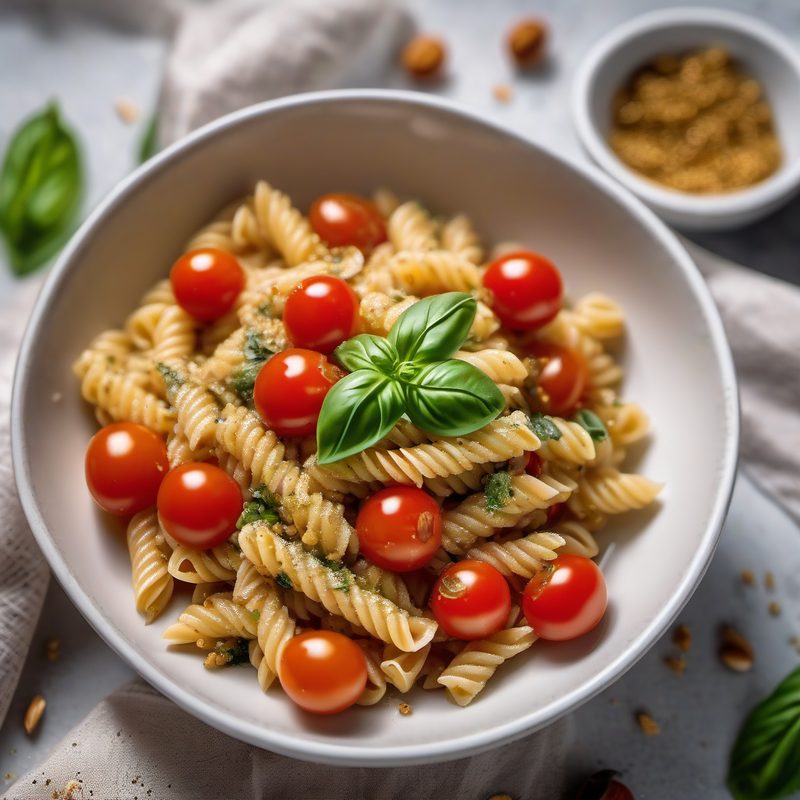
Photo: `vol1_180.png` — A rustic ceramic bowl of orecchiette tangled with vibrant green turnip greens, the ear-shaped pasta glistening with olive oil, scattered with red chili flakes and cracked black pepper, on a worn wooden table in warm Pugliese sunlight, with a cruet of green olive oil and a half-full glass of Primitivo nearby.
Recipe from "The Italian Kitchen" by Vita Milanese — Volume 1: Pasta Perfetto
Recipe from The Italian Kitchen by Vita Milanese — Volume 1 · Pasta Perfetto. Discover all volumes on the ebook page.