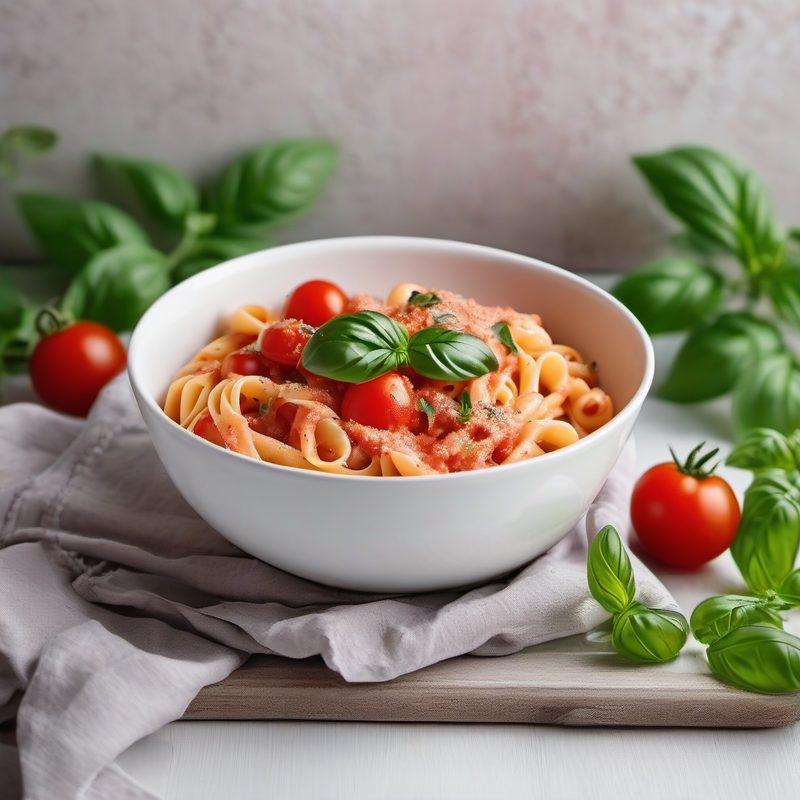
Bucatini Sardines Raisins
A bold Sicilian classic where briny sardines, sweet raisins, toasted pine nuts, wild fennel, and saffron come together in a sauce that's as ancient as it is surprising — earthy, sweet, salty, and aromatic all at once. This is pasta alla trapanese's lesser-known cousin, and it deserves a spot in your repertoire.
| Amount | Ingredient |
|---|---|
| 1 lb (450 g) | Bucatini |
| Kosher salt, for the pasta water |
This is the pasta that proves Sicilian cooking is something else entirely. While the rest of Italy preaches simplicity — a few ingredients, a clear hierarchy — this dish throws sardines, raisins, pine nuts, wild fennel, saffron, garlic, and chili into the same pan and somehow achieves perfect balance. The sardines melt into the background, lending briny depth without overwhelming. The raisins provide pockets of sweetness that catch you off guard. The pine nuts add crunch. The wild fennel — slightly anise-like and herbal — ties everything to the Sicilian landscape. And the saffron? Just enough to gild the sauce in a warm, golden glow. It's a pasta that tastes like history: Phoenician raisins, Arab saffron, Norman pine nuts, and Mediterranean sardines, all tangled up in al dente bucatini.
> Note: Fresh sardines require cleaning — ask your fishmonger to butterfly them if you're short on time. Wild fennel fronds can be substituted with fennel tops from the farmer's market or 1 teaspoon of fennel seeds.
For the Sardines & Aromatics
For the Pasta
Use level tablespoons and standard US measuring cups. All produce is medium unless specified.
🥘 Equipment
- Large pot (6 qt / 6 L minimum) for boiling pasta
- 12-inch skillet or large sauté pan
- Chef's knife and cutting board
- Small bowl for saffron
- Colander
- Measuring cups and spoons
- Spider skimmer or slotted spoon
📋 Preparation
Step 1: Clean the Sardines
Using a sharp knife, cut off the head of each sardine just behind the gills. Slit the belly and open the fish flat like a book (butterfly style). Run your thumb along the inside of the backbone to loosen it, then pull the central bone away from the flesh in one piece. Rinse the butterflied sardines under cold running water and pat dry. You should have two clean fillets still connected at the tail for each fish.
If the bones don't come away cleanly, use tweezers to pull out any remaining pin bones.
Step 2: Prepare the Fennel & Aromatics
Bring a small pot of water to a boil. Add the wild fennel fronds and blanch for 30 seconds — just until bright green and softened. Use a slotted spoon to transfer the fennel to a bowl of ice water to stop the cooking. Reserve 1 cup of the fennel cooking water — this is liquid gold.
Drain the fennel, squeeze dry, and coarsely chop.
Meanwhile, toast the pine nuts in a dry skillet over medium heat, shaking frequently, until golden and fragrant — about 2 minutes. Transfer to a small bowl and set aside.
Step 3: Build the Sauce Base
In a large 12-inch skillet, heat ¼ cup olive oil over medium heat. Add the sliced garlic and chili (or red pepper flakes). Cook, stirring, until the garlic is fragrant but not browned — about 1 minute.
Add the butterflied sardines to the pan in a single layer. Cook for 2 minutes per side, gently flipping once. The sardines will break apart as they cook — that's exactly what you want. They should be tender and beginning to flake.
Add 1 cup of the reserved fennel water to the pan, scraping up any browned bits from the bottom. Bring to a gentle simmer.
Step 4: Season the Sauce
Add the chopped blanched fennel, golden raisins, crushed saffron threads, and toasted pine nuts to the pan. Stir to combine. Reduce heat to low and let the sauce gently simmer while the pasta finishes cooking — about 2 minutes. Taste and adjust salt.
Step 5: Cook and Finish the Pasta
Bring a large pot of generously salted water to a rolling boil (about 1½ tablespoons kosher salt per 4 quarts water). Add the bucatini and cook until 2 minutes shy of al dente (check the package timing and subtract 2 minutes).
Using a spider skimmer or tongs, transfer the bucatini directly to the skillet with the sardine sauce, reserving ½ cup of the pasta water. Do not drain fully — the starchy water clinging to the pasta is part of the sauce.
Increase the heat to medium-high. Toss the bucatini vigorously with the sauce, adding reserved pasta water a splash at a time as needed to create a silky, emulsified sauce that coats every strand. Cook for about 2 minutes, tossing constantly, until the pasta is al dente and the sauce has thickened slightly.
Step 6: Serve
Remove from heat. Drizzle with a finishing touch of raw extra-virgin olive oil — about 1 tablespoon — and toss once more. Divide among warm bowls. Garnish with a few extra toasted pine nuts or a pinch of fennel fronds if desired.
Serve immediately. No cheese — tradition forbids it with seafood pasta in Sicily.
🧑🍳 Chef's Tips
- Fresh sardines are non-negotiable: Canned sardines won't work here — they lack the structure to melt into the sauce. Look for bright-eyed, firm-fleshed sardines at a fish counter. If you absolutely can't find fresh, substitute 12 oz of fresh mackerel fillets, roughly chopped.
- Wild fennel matters: The fronds have a delicate anise flavor that domestic fennel bulbs don't. Check Italian grocery stores or farmers' markets for wild fennel bunches. In a pinch, use the feathery tops from 2 large fennel bulbs plus 1 teaspoon fennel seeds, crushed.
- No bucatini? Thick spaghetti, perciatelli, or scialatielli all work. The key is a pasta substantial enough to hold the chunky sauce.
- Don't skip the saffron: Even a pinch transforms the color and adds a subtle honeyed floral note. Crush the threads between your fingers before adding to release the oils.
- Raisin soak: If your raisins are dry and hard, soak them in warm water for 10 minutes before adding. Drain and proceed.
- No cheese: This is a seafood pasta. Pecorino or Parmigiano would overpower the sardines and clash with the Sicilian tradition.
❌ Common Mistakes
| Mistake | Why | Fix |
|---|---|---|
| Overcooking the sardines | They turn mushy and lose structure | Cook just 2 minutes per side — they'll finish cooking when tossed with the pasta |
| Draining the pasta fully | The sauce won't emulsify without starchy water | Transfer with a spider or tongs; reserve pasta water separately |
| Skipping the fennel water | Loses the subtle anise flavor that ties the dish together | Always blanch the fennel first and save the water |
| Adding cheese | Overpowers the delicate sardines and breaks tradition | Trust the saffron and fennel to carry the dish |
| Undersalting the pasta water | The sauce won't taste seasoned | Use 1½ tbsp kosher salt per 4 quarts water — it should taste like the sea |
💡 Variations
- Add breadcrumbs: Toast ½ cup of coarse breadcrumbs in olive oil until golden and sprinkle over the finished pasta for a pasta con le sarde alla palermitana touch.
- Make it vegetarian: Omit the sardines and add 1 can of rinsed chickpeas plus 2 anchovy fillets (melted into the oil at the garlic stage) for umami depth.
- Swap the raisin: Use currants or chopped dried figs instead of golden raisins for a different sweetness profile.
- Extra herbs: Add a handful of chopped fresh parsley or mint at the end for brightness.
- Spicy upgrade: Use a whole Calabrian chili, thinly sliced (seeds included) for serious heat.
❄️ Storage
This pasta is best eaten immediately — sardines don't reheat well. If you have leftovers, store covered in the refrigerator for up to 1 day. Reheat gently in a skillet with a splash of water, but note the sardine texture will be softer. Not suitable for freezing.
🍷 Wine Pairing
| Wine | Why |
|---|---|
| Grillo (Sicily) | Sicily's classic white — citrusy, mineral, with enough body to stand up to the sardines |
| Etna Bianco (Carricante) | High-altitude, volcanic minerality — echoes the wild fennel's herbaceousness |
| Vermentino di Sardegna | Briny, sea-salt finish mirrors the sardines perfectly |
| Frappato (Sicily) | A light, chilled red — bright, low-tannin, and unexpectedly perfect with this dish |
🍺 Beer Pairing
| Beer | Why |
|---|---|
| Sicilian I.P.A. | Hoppy bitterness cuts through the oiliness of the sardines |
| Italian Pilsner | Clean, crisp carbonation refreshes the palate between bites |
🥗 Suggested Sides
- Simple fennel and orange salad — citrus and shaved raw fennel, dressed with olive oil and salt
- Grilled lemon-dressed zucchini — bright, charred, simple
- Crusty sourdough — for sopping up every drop of the saffron-sardine sauce
📊 Nutrition (per serving)
| Calories | Protein | Fat | Carbs | Fiber |
|---|---|---|---|---|
| 420 | 24 g | 18 g | 52 g | 4 g |
❓ FAQ
Can I use canned sardines?
No — canned sardines are already cooked and will disintegrate into a pasty mess. Fresh sardines are essential for the texture and clean briny flavor.
What is wild fennel and where do I find it?
Wild fennel (finocchietto selvatico) grows abundantly in Sicily and parts of California. It looks like dill — feathery fronds, no bulb. Check Italian markets, specialty grocers, or grow your own from fennel seeds.
Why is there no cheese?
In Sicilian tradition, cheese is never served with seafood pasta. The delicate flavors of the sardines and saffron would be crushed by Pecorino or Parmigiano. Trust the tradition on this one.
Can I prep this ahead?
You can clean the sardines and blanch the fennel up to a day ahead. Keep the sardines refrigerated on ice and the fennel in an airtight container. Cook and assemble just before serving.
What's the difference between bucatini and perciatelli?
They're essentially the same — thick spaghetti with a hole running through the center. Bucatini is the more common name in English, perciatelli in Roman dialect. Either works perfectly here.
🔗 Related Recipes
- Spaghetti con le Sarde (the Palermo version with breadcrumbs)
- Busiate alla Trapanese (pesto trapanese with almonds and tomatoes)
- Pasta con le Sarde alla Messinese (with cauliflower instead of fennel)
- Orecchiette with Broccoli Rabe and Anchovies
🖼️ Photo Reference

A wide, warm-toned ceramic bowl heaped with bronzed bucatini, each strand glistening with saffron-golden sauce. Bits of flaked sardine, plumped golden raisins, and toasted pine nuts cling to the pasta. Feathery wisps of wild fennel are scattered throughout. A final drizzle of raw olive oil catches the sunlight. Shot from 45° overhead in warm afternoon light on a rustic wooden table — earthy, inviting, unmistakably Sicilian.
🏷️ Search Tags
Recipe from The Italian Kitchen by Vita Milanese — Volume 1 · Pasta Perfetto. Discover all volumes on the ebook page.