Pasta Cream Ham
A silky, impossibly quick Roman-style cream sauce that clings to every tube of penne — the golden, rendered bits of cooked ham, a whisper of nutmeg, and a shower of Parmigiano-Reggiano elevate this four-ingredient sauce from simple supper to something you'll crave on the busiest of weeknights. From pot to plate in under 20 minutes.
There is a reason this pasta is a beloved staple in Italian homes and trattorie from Rome to Milan: it's fast, it's forgiving, and it tastes far more luxurious than its short ingredient list suggests. The technique is deceptively simple — cook the ham until it browns and crisps at the edges, releasing its savory fat into the pan; build a quick cream sauce scented with nutmeg and finished with grated Parmigiano; then marry everything with al dente penne and a splash of starchy pasta water to create an emulsion that's rich, glossy, and just loose enough to coat each tube. The key is timing: the cream sauce comes together in the time it takes the pasta to cook, so everything lands in the bowl hot and ready. Fresh parsley and a final crack of black pepper keep it bright. It's the platonic ideal of a weeknight pasta — and proof that sometimes the simplest things are the best.
Use level tablespoons and standard US measuring cups. All produce is medium unless specified.
🥘 Equipment
- Large pot (6 qt / 6 L minimum) for boiling pasta
- 12-inch skillet or large sauté pan
- Chef's knife and cutting board
- Wooden spoon or heat-resistant spatula
- Colander
- Microplane or fine grater (for nutmeg)
- Box grater or Microplane (for Parmigiano)
- Measuring cups and spoons
📋 Preparation
Step 1 — Prepare the Ham and Bring the Pasta Water to a Boil (concurrent)
Fill a large pot with 4 quarts (3.8 L) of water and add 1½ tablespoons of kosher salt. Bring to a rolling boil over high heat.
While the water comes to a boil, cut the cooked ham into ¼-inch-wide strips about 2 inches long. Set aside.
Step 2 — Render the Ham with Garlic (5 minutes)
Place a 12-inch skillet over medium-high heat. Add the olive oil and the smashed garlic cloves. Cook until the garlic is fragrant and beginning to sizzle, about 30 seconds.
Add the ham strips to the skillet in a single layer. Cook without stirring for 2 minutes, letting the ham brown on the underside. Stir and continue cooking, stirring occasionally, until the ham is golden and crisp at the edges, about 2 minutes more.
The ham should be visibly browned in spots — those caramelized edges are pure savory flavor. Don't rush this step; pale, steamed ham yields a flat sauce.
Step 3 — Cook the Pasta (9–11 minutes, concurrent with Step 4)
Add the penne to the boiling water and cook until al dente according to package directions (typically 10–11 minutes for dried penne rigate).
Just before draining, reserve 1 cup (240 ml) of the starchy pasta cooking water. Drain the penne well (do not rinse).
Step 4 — Make the Cream Sauce (3 minutes)
While the pasta cooks, reduce the heat under the skillet to low. Pour in the heavy cream and add the freshly grated nutmeg. Stir to combine, scraping up any browned bits from the bottom of the pan.
Let the cream simmer gently (not boil — you don't want it to separate) for 2 minutes, stirring occasionally, until it thickens slightly and coats the back of a spoon.
Remove and discard the garlic cloves.
Keep the heat on low — cream that boils vigorously can curdle or separate. A gentle simmer is all you need to thicken it and meld the flavors.
Step 5 — Combine and Finish (2 minutes)
Add the drained penne and ¼ cup of the reserved pasta cooking water to the skillet with the cream sauce. Increase heat to medium and toss vigorously with a wooden spoon or tongs to coat every piece of pasta.
Cook, tossing constantly, until the sauce has thickened into a creamy, clinging emulsion that coats each tube of penne, about 1 to 2 minutes. If the pasta looks dry, add more pasta water a splash at a time — the sauce should be glossy and fluid, not thick and pasty.
Remove from heat. Add the grated Parmigiano-Reggiano and chopped parsley. Toss once more until the cheese melts into the sauce. Taste and adjust seasoning with kosher salt (remember the ham and cheese are already salty) and a generous crack of freshly ground black pepper.
Serve immediately in warm shallow bowls, with extra grated Parmigiano on the side.
The Parmigiano goes in off the heat so it melts into a silky emulsion rather than turning stringy. Reserve a tablespoon of parsley for a final bright green garnish on top.
🧑🍳 Chef's Tips
- Use prosciutto cotto, not raw ham: The dish calls for cooked ham (prosciutto cotto) — the kind you'd put in a sandwich or a croquette. Uncured raw ham or pancetta will change the flavor profile entirely (though pancetta can be delicious — see Variations).
- Render, don't steam: Crowding the pan is the #1 mistake. The ham strips need space to make contact with the hot pan surface. If your skillet is too small, cook the ham in two batches.
- Fresh nutmeg is non-negotiable: Pre-ground nutmeg is dusty and one-dimensional. A few passes on a Microplane over the cream releases volatile oils that transform the sauce. Grate it just before adding — the aroma tells you it's fresh.
- Parmigiano-Reggiano, not the green can: Pre-grated cheese contains anti-caking agents that prevent smooth melting. Grate a block of genuine Parmigiano-Reggiano for a sauce that emulsifies instead of clumping.
- Starchy pasta water is your friend: The starch in the reserved water helps bind the cream and cheese into a stable, glossy emulsion. Plain water won't do the job.
- Don't rinse the pasta: The surface starch on drained pasta helps the sauce cling. Rinsing washes it away and leaves you with slippery, sauce-repellent noodles.
❌ Common Mistakes
| Mistake | Why It Hurts | The Fix |
|---|---|---|
| Using thin, wet ham slices | They steam instead of browning, producing a pale, watery sauce with no savory depth | Use thick-sliced cooked ham and cut it into strips; pat dry with paper towels before cooking |
| Boiling the cream | High heat causes the cream to separate into greasy butterfat and watery whey instead of a silky sauce | Keep the heat on low — a gentle simmer is all you need |
| Adding cheese over high heat | The cheese seizes into unappetizing clumps instead of melting smoothly into the sauce | Remove the pan from the heat before adding Parmigiano |
| Over-salting | Ham, Parmigiano, and pasta water are all salty — too much table salt ruins the balance | Use kosher salt sparingly and always taste before adding more |
💡 Variations
| Variation | How To |
|---|---|
| Pancetta version | Substitute 7 oz (200 g) pancetta, diced into ¼-inch pieces, for the cooked ham. Render until crisp — about 5 minutes — then proceed. More intense, smokier, slightly saltier |
| Add peas | Add ½ cup (80 g) frozen peas to the cream sauce during the last minute of simmering. A classic Roman addition that adds sweetness and color |
| Mushroom and ham | Sauté 6 oz (170 g) sliced cremini mushrooms in the skillet after removing the ham, until golden, about 4 minutes. Return the ham to the pan, then proceed with the cream. Earthy and deeply savory |
| Spicy kick | Add ¼ teaspoon red pepper flakes along with the garlic in Step 2. The heat cuts through the richness beautifully |
| Pasta swap | This cream sauce works beautifully with fettuccine, tagliatelle, rigatoni, or even farfalle. Adjust cooking time for the shape |
| Herb swap | Substitute fresh basil or chives for the parsley. Basil adds a sweet, aromatic note; chives bring a mild oniony brightness |
| Add sun-dried tomatoes | Stir in ¼ cup (40 g) oil-packed sun-dried tomatoes, drained and chopped, along with the cream. The tangy-sweet pop balances the richness |
| Lighter version | Replace half the cream with whole milk and reduce the Parmigiano by half. The sauce will be thinner but still satisfying — add an extra splash of pasta water for body |
| Gluten-free | Use gluten-free penne. Cook according to package directions minus 1 minute, then finish in the sauce. Handle gently — GF pasta is more delicate |
❄️ Storage & Leftovers
| Method | Details |
|---|---|
| Refrigerator | Store in an airtight container for up to 2 days. The cream sauce will thicken as it cools and the pasta will absorb moisture |
| Freezer | Not recommended — the cream sauce breaks upon thawing and the pasta texture degrades significantly |
| Reheating | Reheat in a skillet over medium-low heat with a splash of milk or cream and a tablespoon of pasta water. Toss frequently until warmed through, about 3–4 minutes. Add a fresh grind of black pepper and a sprinkle of Parmigiano before serving. Avoid the microwave — it makes the sauce greasy and the ham rubbery |
🍷 Wine Pairing
| Wine | Why |
|---|---|
| Pinot Grigio (Alto Adige or Friuli) | A crisp, dry white with green apple and pear notes — clean acidity cuts through the creamy sauce without fighting the ham's subtle smokiness |
| Gavi di Gavi (Piedmont) | Corteze-based Gavi offers delicate white flower, citrus, and almond notes with a mineral finish that lifts the richness |
| Verdicchio dei Castelli di Jesi (Marche) | Bright acidity, bitter almond finish, and a saline minerality that scrubs the palate clean between luscious, creamy bites |
| Frascati Superiore (Lazio) | A classic Roman white — light, slightly floral, with a hint of almond. It's the wine they'd drink with this dish in a trattoria near the Vatican |
| Soave Classico (Veneto) | Garganega-based Soave brings lemon zest, almond, and subtle herbal notes — medium-bodied enough to stand up to the cream, bright enough to keep it lively |
| Chianti (young, simple) | If you prefer red, a chilled young Chianti with bright cherry acidity and soft tannins can work — serve slightly cool (55°F / 13°C) so it doesn't overpower the delicate cream sauce |
| Lambrusco (dry, chilled) | A dry, bubbly red served cold — the effervescence and bright berry fruit cut through the richness like a palate-cleansing superpower |
🥗 Suggested Side Dishes
- Simple arugula salad with lemon vinaigrette — Peppery arugula tossed with lemon juice, olive oil, flaky salt, and shaved Parmigiano. Bright, sharp, a perfect foil for the creamy pasta
- Sautéed zucchini with garlic and mint — Thinly sliced zucchini sautéed in olive oil with garlic until golden, finished with fresh mint. Light, summery, and complementary
- Roasted asparagus with lemon and Parmigiano — Spears roasted at 425°F / 220°C for 10 minutes, drizzled with lemon juice and showered with grated Parmigiano
- Tomato and basil salad (Insalata Caprese) — Sliced ripe tomatoes, fresh mozzarella, basil, olive oil, and balsamic — the bright acidity of the tomatoes is a classic counterpoint to cream-based pasta
- Warm crusty bread with olive oil — A crusty ciabatta or baguette for sopping up any remaining cream sauce from the bottom of the bowl
- Sautéed spinach with garlic — Quick, garlicky spinach wilted in olive oil — earthy, nutritious, and takes 3 minutes
📊 Nutrition (per serving, estimated)
| Calories | Protein | Fat | Carbs | Fiber |
|---|---|---|---|---|
| 460 | 19 g | 22 g | 46 g | 2 g |
Nutrition values are estimates and will vary based on specific ingredients, ham fat content, pasta brand, cream type, and portion sizes.
❓ Frequently Asked Questions
Can I use milk instead of cream?
You can, but the sauce will be noticeably thinner and less luxurious. To compensate, use whole milk, reduce the pasta water to 2 tablespoons, and add an extra tablespoon of Parmigiano to help build body. The texture will be closer to a light panna than a rich cream sauce — still good, just different.
Do I have to remove the garlic cloves?
Yes. The garlic has done its job — perfuming the oil and the ham as it renders. Leaving whole cloves in the final dish gives you surprise bites of raw, harsh garlic that overwhelm the delicate cream sauce. If you want a gentler garlic presence, mince one clove instead of smashing two, and leave it in.
Can I use pre-grated Parmigiano?
Technically yes, but the anti-caking agents (cellulose, potato starch) in pre-grated cheese prevent it from melting smoothly into the cream. You'll end up with a grainy, clumpy sauce instead of a silky emulsion. Grate a block of genuine Parmigiano-Reggiano — it takes 30 seconds and makes a profound difference.
What kind of ham should I use?
Prosciutto cotto — cooked Italian ham. It's available at Italian delis and most well-stocked supermarkets. In a pinch, a good-quality baked ham or boiled ham from the deli counter works. Avoid honey-glazed, maple-cured, or smoked ham — their sweetness and smoke flavor clash with the delicate cream and nutmeg.
The sauce is too thick / too thin — what do I do?
If too thick: add pasta water a tablespoon at a time and toss until it reaches a glossy, flowing consistency. If too thin: cook over medium heat for 1–2 minutes longer, tossing constantly, until the starch from the pasta and the cheese thicken the sauce. Cream sauces tighten as they cool, so aim for slightly looser than your ideal — it will thicken in the bowl.
Can I make this ahead of time?
This pasta is best eaten immediately — cream sauces don't sit well. If you must prep ahead, cook and drain the pasta, toss with a drizzle of olive oil to prevent sticking, and make the sauce separately. Combine and finish with pasta water just before serving.
Can I add vegetables?
Absolutely. Frozen peas (added to the cream in the last minute) are the classic choice. Sautéed mushrooms, sun-dried tomatoes, or wilted spinach all work beautifully — see the Variations section.
What pasta shape works best?
Penne rigate (ridged penne) is traditional and ideal — the ridges catch the sauce and the hollow center traps little pockets of cream. Fettuccine, tagliatelle, rigatoni, and farfalle are all excellent. Avoid very delicate shapes like angel hair or capellini, which can't support the weight of the cream sauce.
🔗 Related Recipes
- Pasta alla Carbonara (Pasta with Egg, Guanciale, and Pecorino)
- Pasta al Burro e Parmigiano (Butter and Cheese Pasta)
- Pasta with Sausage and Peppers (Pasta salsiccia e peperoni)
- Fettuccine Alfredo
- Penne with Vodka Sauce (Penne alla Vodka)
- Rigatoni with Sausage and Fennel Ragu
- Tagliatelle with Mushrooms and Thyme
- Pasta with Peas and Prosciutto (Pasta con piselli e prosciutto)
🏷️ Search Tags
📸 Photo Reference
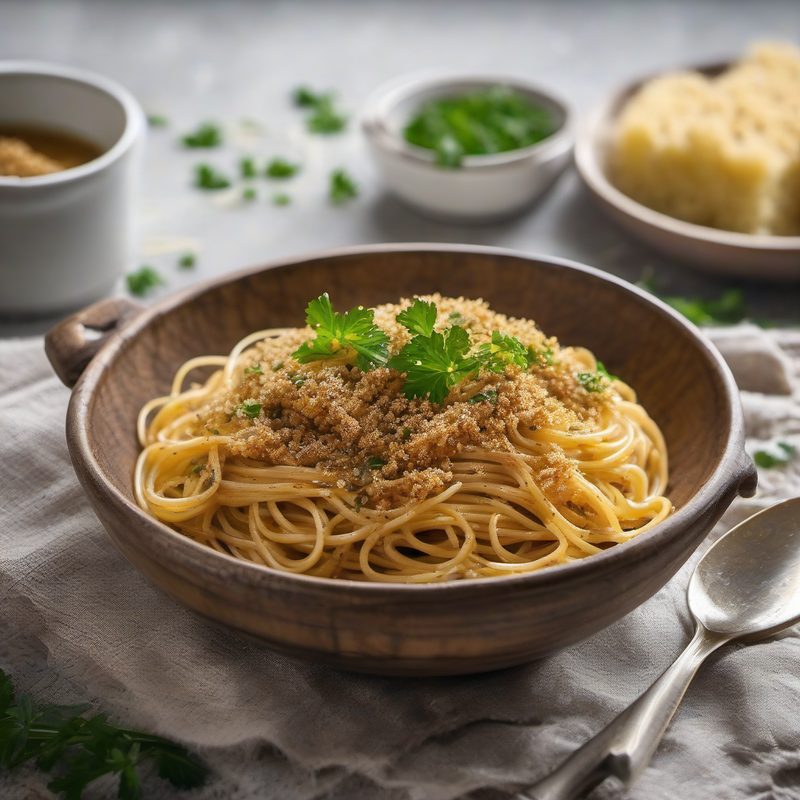
Photo reference: `vol1_96.png` — A shallow, warm-toned ceramic bowl piled with ridged penne bathed in a glossy, pale-golden cream sauce. Strips of golden-edged cooked ham are woven through the pasta. A fine dusting of grated Parmigiano-Reggiano and flecks of fresh green parsley scattered on top. A crack of black pepper visible on the surface. The sauce pools slightly at the bottom of the bowl, glossy and inviting. Natural side lighting, 45° angle, shallow depth of field — rustic Roman trattoria presentation. Steam rising gently. ~460 calories per serving.
Recipe from "The Italian Kitchen" by Vita Milanese — Volume 1: Pasta Perfetto
Recipe from The Italian Kitchen by Vita Milanese — Volume 1 · Pasta Perfetto. Discover all volumes on the ebook page.